 Divine European Tour – 14 Nights
August 1 – 15, 2026
Divine European Tour for 2 people for 2 weeks – $20000
Lock in your best deal –
Divine European Tour – $20000 for 2 people for 2 weeks
press quantity 2 – Full Payment
or quantity 1 – $10000 – Partial Payment
with a 30-day free cancellation period and any Final Payment Due on the 31st day
or do Pay Later Plan with no free cancellation period.
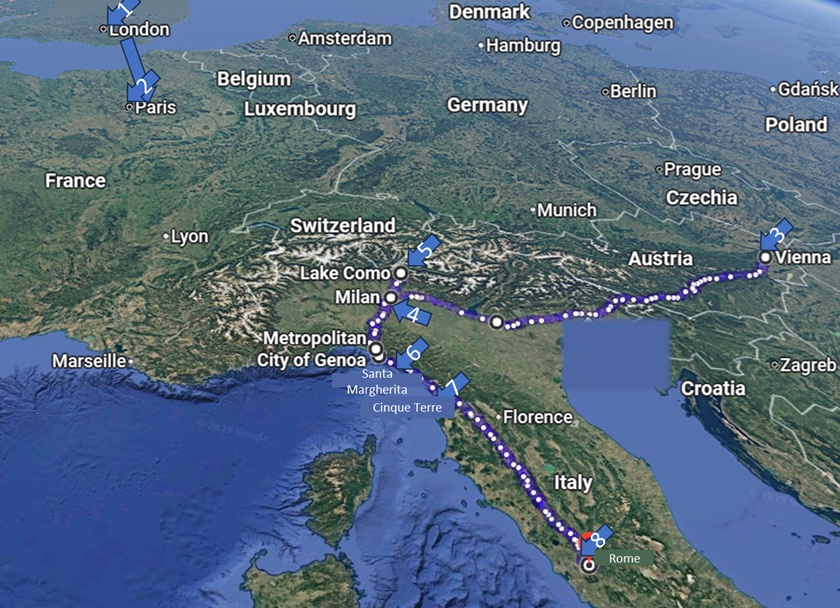
Five countries. Eight cities.
When the Louvre, the Eiffel Tower, and the Pantheon are only a fraction of a tour’s highlights, you’re in for one magical trip. On this sweeping tour of Europe that whisks you from London to France, Austria to Italy and the Vatican, you’ll treat your eyes, ears, and tastebuds to a kaleidoscope of cultures you’ll never forget.
Your tour package includes
- 14 Nights in handpicked hotels
- 14 Breakfasts, 1 Special Luncheon
- 7 Celebration Dinners with beer or win
- 11 Sightseeing tours
- Tour Director
- Expert Tour Guides
- 4 train rides & 2 flights
Included highlights
- Incredible Architecture Everywhere
- London’s Palaces, Museums, Cathedrals
- London Monuments photo ops
- Paris Palaces, Museums, Cathedrals
- Eiffel Tower Luncheon
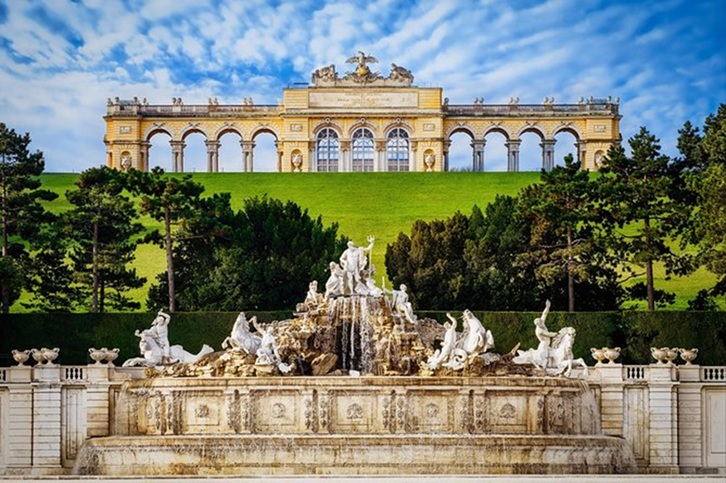
- Vienna Concert, Museums, Palaces – Schonbrunn, Belvedere & Hofburg
- Milan – Cathedrals, Famous Gallery
- Lake Como – cruise
- Italian Riviera – Portofino, Santa Margherita, Cinque Terre
- Pantheon & Vatican – Rome
Itinerary
Overnight Flight
Travel day
Board your overnight flight to London today.
Divine European Tour
Day 1: August 1 – Saturday
Meals: Breakfast, Celebration Dinner
London, England
Those coming from America and want a shuttle to our hotel, will arrive at Heathrow Airport, in time to meet our shuttle driver for the Divine European Tour, between noon and 1pm. For other travelers contact CTS to make arrangements or make your own.
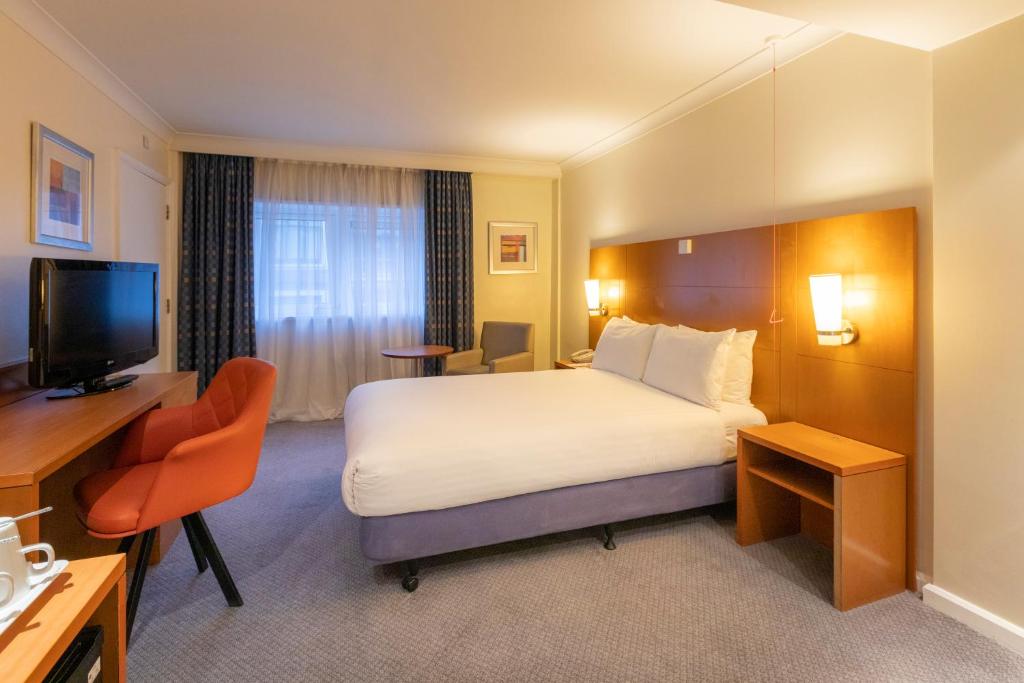
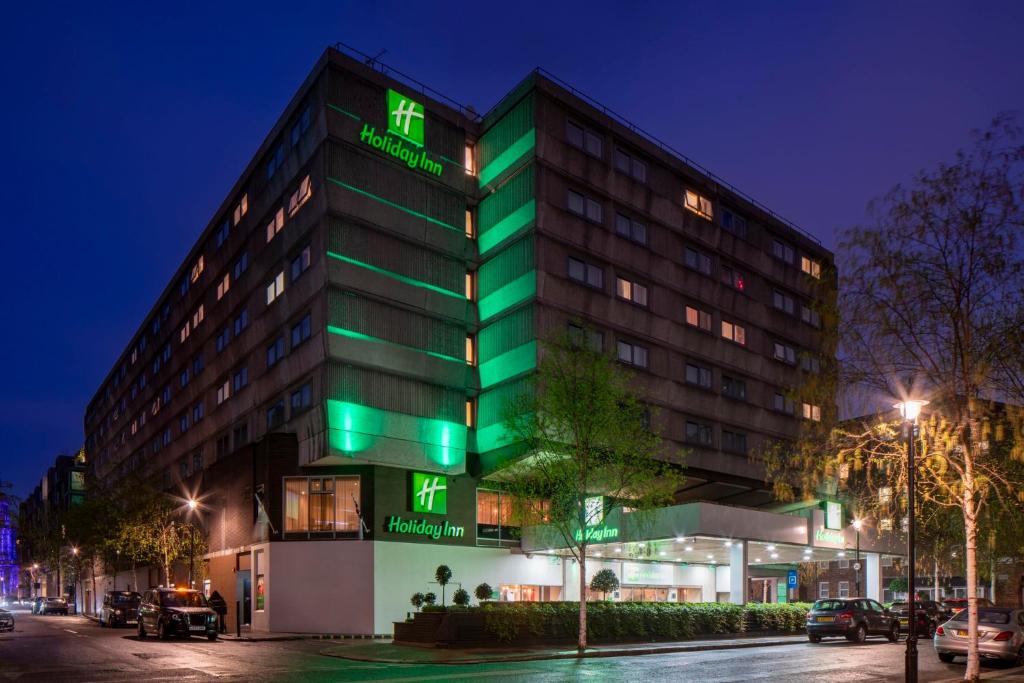
Welcome to England! We’ll check into our 4-star hotel, the Holiday Inn Regent’s Park for 2 exciting days.
Until our celebration dinner in the evening, the day is at your leisure during which you can decompress and/or stroll through nearby Regents Park, etc.
Tonight, we’ll meet up with the other fellow travelers and get acquainted at a welcome dinner celebration.
Overnight: Holiday Inn, London – Regent’s Park
Day 2: August 2 – Sunday
Included meal: Breakfast
Sightseeing tour in London
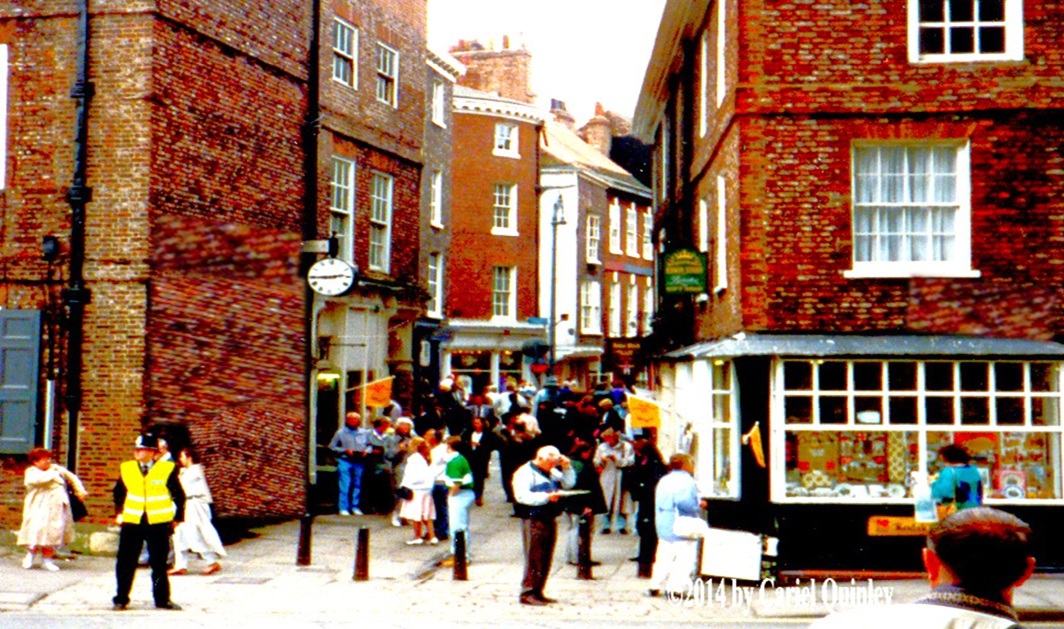
After breakfast we’ll meet with our tour guide who will show us a cosmopolitan city in contrast to its historic accounts, existing relics, landmarks, ruins and monuments of English, ancient Roman, Anglo-Saxon (Germanic), and Viking (Scandinavian) rulerships.
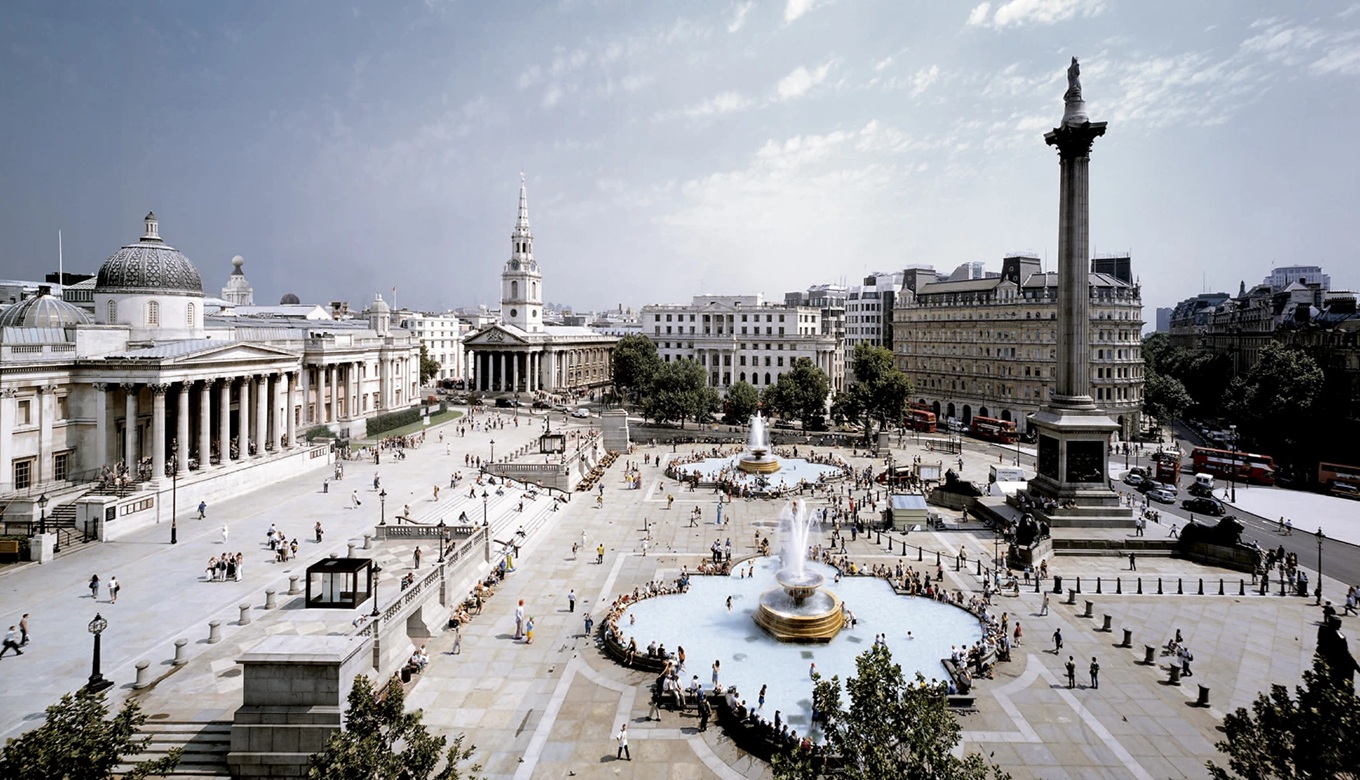
- Photo ops at Trafalgar Square, where Nelson’s Column is featured, commemorating a British naval victory over France and Spain at the Battle of Trafalgar in 1805 in which Admiral Nelson was killed. Anyone reading Naval Admiral Nelson biography will attest to feeling exhausted after reading about the many battles he won. Sadly, he died leaving his loved ones destitute. The monument was the least they could do!!! The National Gallery art museum is also highlighted at the square. Four bronze lion statues surround Nelson’s Column and on each corner of the square are statues of importance. Three of these support bronze statues of General Sir Charles James Napier, Major General Sir Henry Havelock and King George IV. The fourth was left empty until 1999, when it housed the first of a series of contemporary artworks – find out what’s currently on The Fourth Plinth (pedestal)
 .
. - We’ll see Westminster Abbey, the setting for royal coronations since 1066 and the final resting place of William Shakespeare, Isaac Newton, and many other luminaries.
-
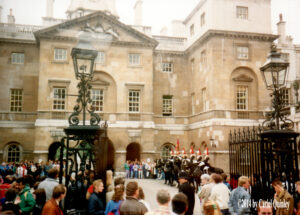
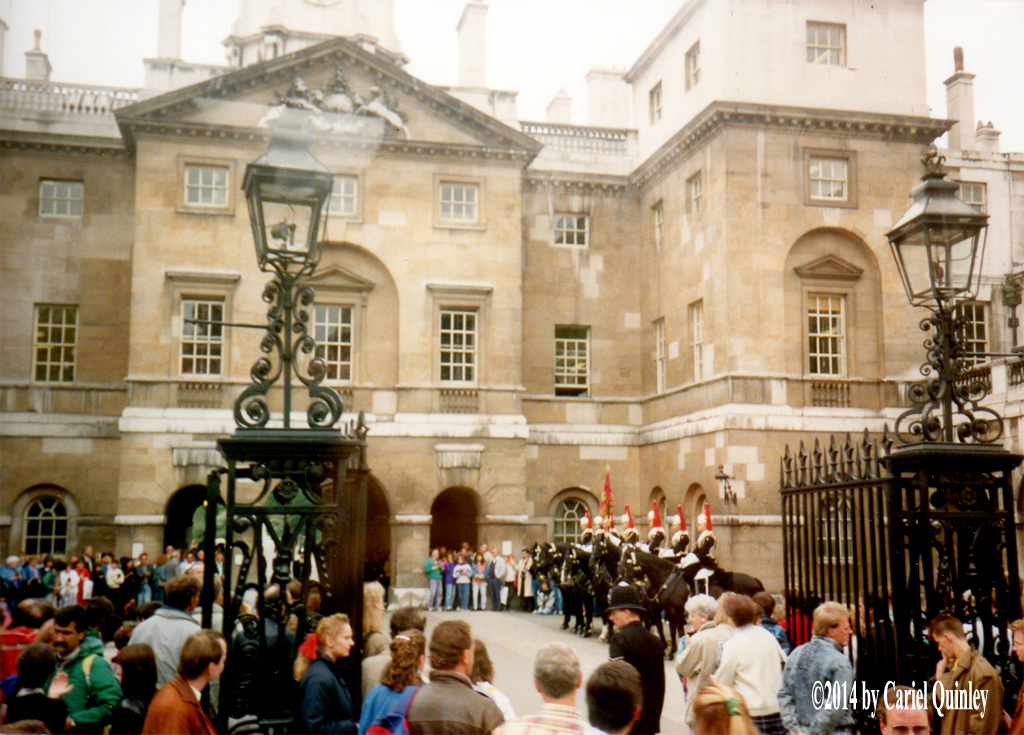
Buckingham Palace We’ll view the city’s defining landmarks, including Big Ben—the nickname for the Great Bell of the clock at the Palace of Westminster. It’s also become London’s unofficial calling card. You’ll also pass the Tower of London, home to the Crown Jewels of England and once a menagerie of exotic wild animals like lions and polar bears.
- Take in the contrast of old and new when you pass by Tower Bridge, once the largest drawbridge ever, and the London Eye—the larger-than-life observation wheel that’s quickly become symbolic of the city.
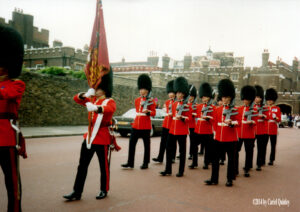
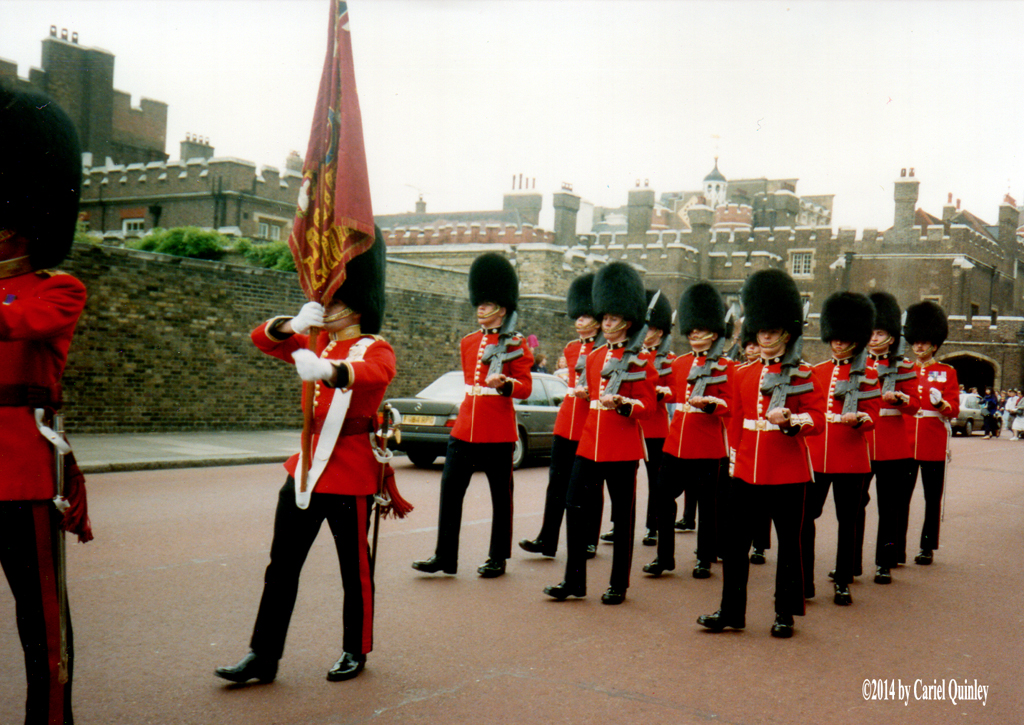
Changing of the Guards - We’ll stop by Buckingham Palace, the royal residence in London, where we’ll catch the Changing of the Guard ceremony—just look for the distinctive red tunics and tall bearskin caps.
- On the way back to our hotel we’ll visit the British Museum if we have time.
Tomorrow we’ll go to the Eurostar Train Station where we’ll take a high-speed train to Paris.
Please note: Tomorrow travelers should be prepared for an early morning train departure to Paris. Porterage is not included on train transfers. Travelers must be comfortable lifting and carrying all luggage over steps, onto platforms, and into storage.
Overnight: Holiday Inn, London – Regent’s Park
Day 3: August 3- Monday
Meals: Breakfast, Celebration Lunch at the Eifel Tower
Paris, France
After breakfast, we’ll take an early high-speed train ride (2.5 hrs) to Paris and arrive at 9:35am. After checking into our hotel, our 3 hrs tour of Paris starts in a half hour. After which we’ll enjoy a relaxing luncheon celebration at the Eifel Tower with the rest of the day at our leisure.
Welcome to Paris. Our hotel, Hotel de Crillon, Rosewood, is located at the famous Place de Concorde right in the center of things. The square serves as a vibrant gathering place, where locals and visitors come to enjoy the beauty of the surroundings, take leisurely walks, or simply relax on the benches.
It’s where history and elegance converge, located at the heart of Paris. Spanning over 18 acres, the Place de la Concorde is one of the most iconic landmarks in the city. As you stand in the square, you’ll be surrounded by architectural splendor and rich historical significance. Admire the majestic Obelisk of Luxor, standing tall in the center of the square, offering a link to ancient Egypt. Marvel at the stunning fountains, including the famous Fontaines de la Concorde, which add a touch of elegance to the square.
The square is also flanked by notable buildings, such as the Hôtel de Crillon and the Palais Bourbon. Place de la Concorde holds a significant place in French history, being the site of many important events, including the French Revolution and the execution of King Louis XVI.
The Place de Concorde is where the Avenue of Champs-Elysees begins on it’s eastern side. The Arc de Triumph is where it ends on the western side. We’re starting on the eastern side of the Champs-Elysees, leaving the avenue and going south, then north and then returning to the Champs-Elysee to wind up in the west at the Arc de Triumph.
We’ll visit some of the most famous sights in the world, stopping for photos along the way.
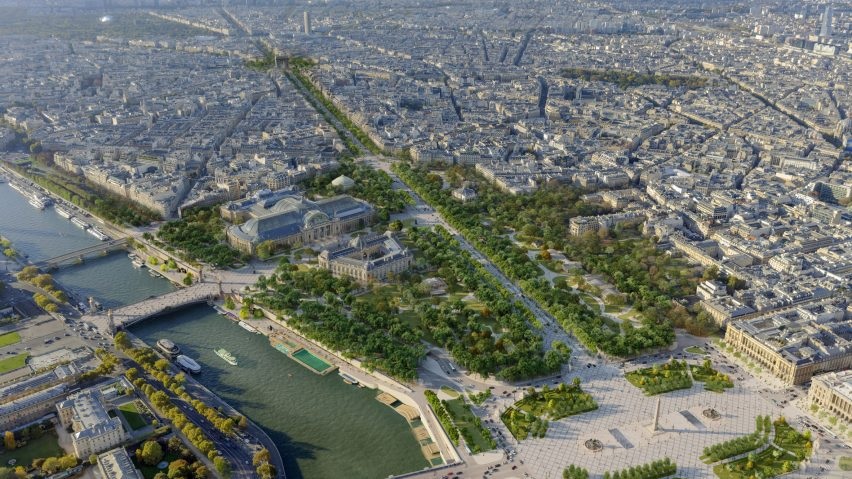
Avenue of Champs-Elysees
“Champs-Elysees” is French for the paradise of the Elysian Fields, paradise of peace and harmony for souls. It has been described as the “most beautiful avenue in the whole world”. The Champs-Élysées forms part of the Axe historique.
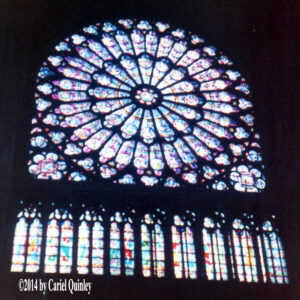
Our first visit is the famous gothic Notre-Dame de Paris, meaning “Our Lady of Paris”, is a medieval Catholic cathedral on the Île de la Cité, an island on the Seine river, in the 4th arrondissement of Paris. The cathedral, dedicated to the Divine Mother, is considered one of the finest examples of French Gothic architecture and stained glass windows (refer to the famous rose stained glass window at the top of page).

The Place Vendôme
It’s one of the city’s most famous and beautiful neoclassical squares where the Champs Elysees starts. Surrounding the square are sober government-looking buildings which is a camouflage for some of the most famous high-end stores, such as, Dior, Chanel or Cartier. The most exclusive jewelry stores, high-end shops and best hotels, including the Ritz and the Vendôme hotels, are found in this impressive square. It’s the ultimate in opulence and luxury found in Paris.
An enormous column (Vendôme Column) was placed at the centre of the square, where the statue of Louis XIV, the Sun King, had previously stood.

The Church of Sainte-Marie-Madeleine
We’ll continue North and eventually arrive at the Church of Sainte-Marie-Madeleine or La Magdeleine which is a Catholic parish church. It was planned by Louis XV who moved his house hold back to the Louvre Palace and wanted a focal point on the new Rue Royal, the road he linked to Versailles.
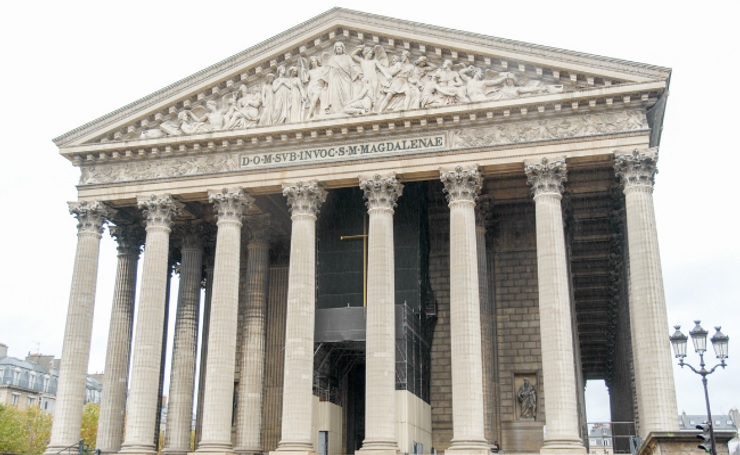
Napoleon Bonaparte had it redesigned in the Neoclassical style to become a monument to the glory of his armies. After his downfall in 1814 construction as a church resumed, but it was not completed until 1842.
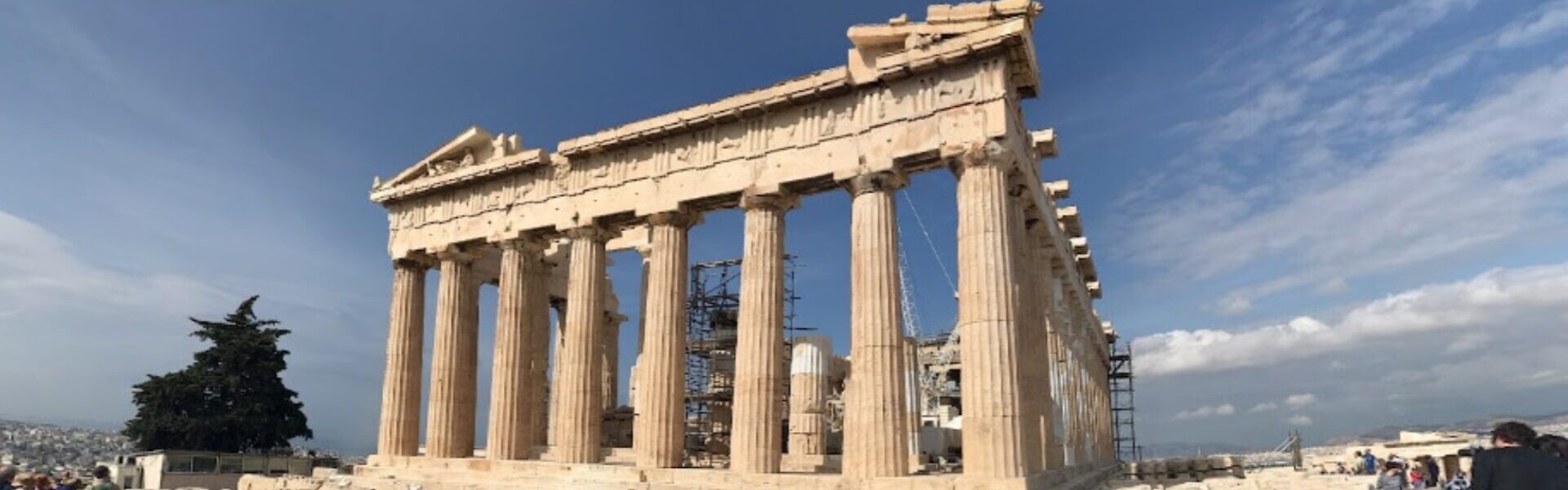
The building is surrounded on all four sides by columns in the Corinthian style. Its fifty-two Corinthian columns, each 20 metres (66 feet) high, surround the building. A structure having rows of classical columns on all four sides, not just on the facade. Notable examples of this structure included the Olympeion, the Temple of Olympian Zeus, the largest temple in ancient Athens, located below the Parthenon, and the much smaller Roman Maison Carrée in Nîmes in France one of the best-preserved of all Roman temples.
The Magdeleine Church is one of the rare large neo-classical buildings to imitate the whole external form of an ancient temple, rather than just the portico front.
Cariel the most famous and most-high sacred spiritual teacher and leader of this divine planet and universe, who has been teaching the Golden Ages ancient wisdom for eons, and decades in this life-time.
In accordance with the Divine Plan and the I Am Divine Presence, and as the ordained Most-High Divine Mother the Most-High Sacred Magdeleine of the Planet and Planetary President, etc., etc., etc. I have chosen now to announce my divine and sacred authority to the souls who can hear me. And I Am accepting disciples, as the Most-High Divine Mother and Most-Sacred Magdeleine. I participate in the world while not of it.
I perform divine intervention and miracles safely, comfortably and effectively. My Divine “legions of light protect me wherever I go. I send temporary divine bridges to anyone I want to, anytime. Although, my presence alone is enough to inspire people and improve the world, I will meet with certain people of good intention on a temporary divine bridge that protects us both. I will ignite their divine spark if I feel they’re worthy to be on a higher ascension level.”
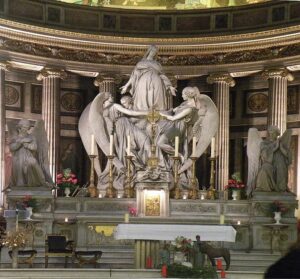
“The Ecstasy of Sainte Mary Magdeleine”
What better place to officially announce Her divine presence on the planet than in this beautiful church. And to be accessible to human disciples of higher spiritual consciousness who are already devoted to Her and can hear Her broadcasts. For the last 2000 years, the Most-High Divine Mother and Her divine human entourage have been helping to heal the consciousnesses on this planet. It wasn’t until Pope Pius XII, in a papal creed, in 1950 that the Most-High Divine Mother was papally acknowledged as a divine and immortal being that the Catholic religion was saved from destruction, shifting the whole Catholic population and accelerating their spiritual growth. Other religions will follow their example and make the shift shortly.
Protestant Reformation’s dogmas need to be reformed
I think some of Protestant Reformation’s dogmas need to be reformed which is what I’m doing right now.
The Protestant Reformation redefined the relationship between God and humanity.
The Reformation emphasized the importance of faith in Jesus alone for salvation, moving away from the traditional belief that good works could earn salvation.
This shift led to a greater emphasis on divine grace which was hard to keep without the psychology of good works. Their logic was flawed.
For it is by grace you have been saved, through faith—and this is not from yourselves, it is the gift of God—not by works, so that no one can boast. Ephesians 2:8-9
The Reformation also introduced new ecclesiology and theological concepts, such as the three solae, which summarize the core beliefs of many Protestant denominations steered them away from divine good intention. The three solae are as follows:
- Sola Fide: By Faith Alone – Salvation is achieved through faith in Jesus Christ alone, not through human works or merit.
- Sola Gratia: By Grace Alone – Salvation is a gift from God through grace, not earned by human efforts.
- Sola Scriptura: Scripture Alone The Bible is the sole source of divine revelation and authority for Christian doctrine.
While the Reformation did no harm to the divine realm, the divine plan doesn’t end with a baby Jesus, the Reformation created confusion about what’s divine and what certain symbols represent, such as, “babies” represent “the soul” or the “divine soul”, birthed from the divine feminine who ignites their divine spark.
The Reformation’s unintentional consequences harmed humans by spiritually dumbing them down and reducing their taking responsibility for their lives which resulted in their blaming God for their problems. They lacked spiritual discernment and preparation to welcome the divine into their lives, with the ascension process and steps that are essential to igniting their divine spark in a way that maintains the light so it’s not just a flash that goes out without spiritual discipline.
Lacking divine spiritual education and discernment has their souls crying for help and wanting divine intervention.
The divine realm supports those who vowed loyalty to it’s Most-High Divine Mother, long ago. And we’ve been educating the human population to be aware of Her divine presences so divine intervention can occur when appropriate.
The Divine Mother and her Divine human entourage heeded many human soul’s cries for help. And many have been saved, in accordance with the Divine Plan.
Just as Cariel inspires, so too do the monumental sculptures by François Rude, Charles Marochetti and other prominent 19th-century French artists displayed throughout the church. The highlight in the center of the church is a statue of a pregnant Divine Mother surrounded by “Legions of Light” and it’s called “The Ecstasy of Sainte Mary Magdeleine” (refer above). The two Mary’s are, in fact, one Divine Human who’s at the top of a spiritual hierarchy and provides the necessary esoteric knowledge for the planet’s spiritual evolution. Thus, She is the Most-High Sacred Magdeleine, a spiritual status given to the Teacher with the special knowledge that heals and guides the planet and it’s people.
Your souls know this is true and many support Her easily and openly.
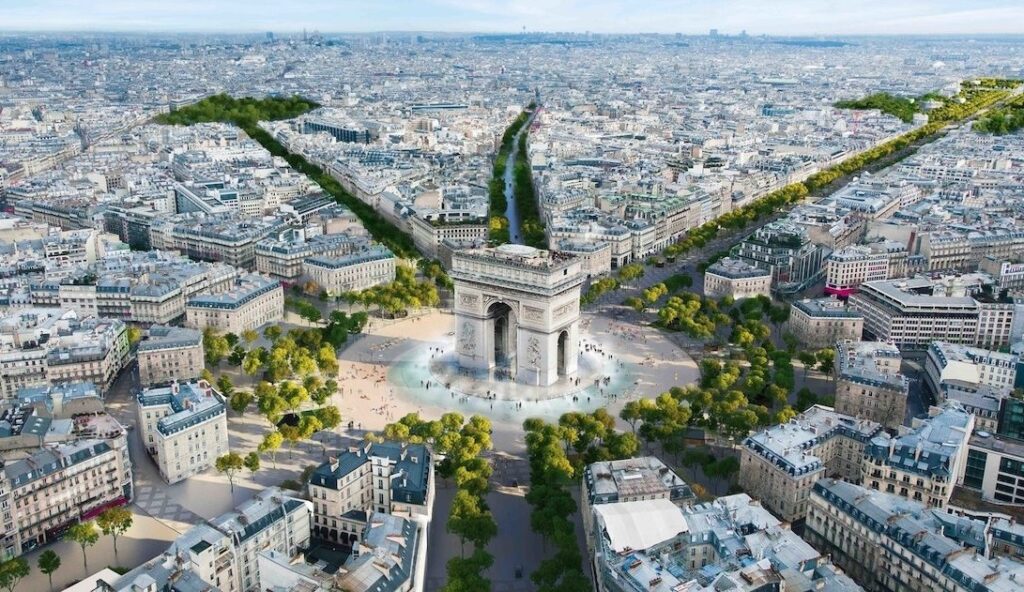
Arc de Triomphe
 We’ll have a photo op of the Arc de Triomphe that is at the western end of Champs-Elysees at the center of a dodecagonal configuration of twelve radiating avenues.
It’s dedicated to those most victorious. Napolean started the Arc 1806, and the Bourbon Restoration reinstated the monarchy, represented by King Louis XVIII but the Arc de Triomphe was not completed until 1836 during the reign of King Louis Philippe.
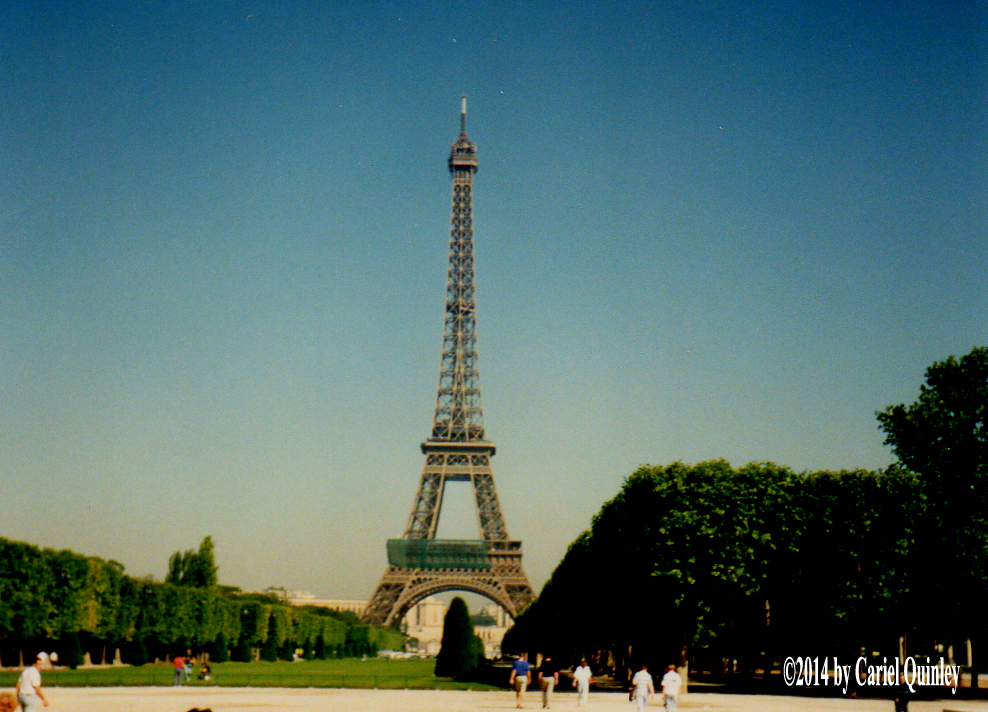
We’ll have our celebration luncheon at the Eifel Tower.
Tomorrow we’ll have time to rest and enjoy the day at our leisure.
Overnight Paris – Hôtel des Crillon – A Rosewood Hotel
Day 4: August 4 – Tuesday
Meals: Breakfast, Celebration Dinner
Paris – Free day at our Leisure
You’re in the heart of Paris – ENJOY IT! From our famous hotel, Hotel de Crillon explore nearby the Musée de l’Orangerie, located in the Tuileries Gardens opposite the Champ-Elysees on the square.
In the Musee de l’Orangerie you’ll find iconic masterpieces from artists like Monet, Cézanne and Picasso.
Orsay Museum offers a truly elegant escape into impressionist and post-impressionist beauty where masterpieces from Monet, Van Gogh, and Renoir are housed in a stunning former train station.
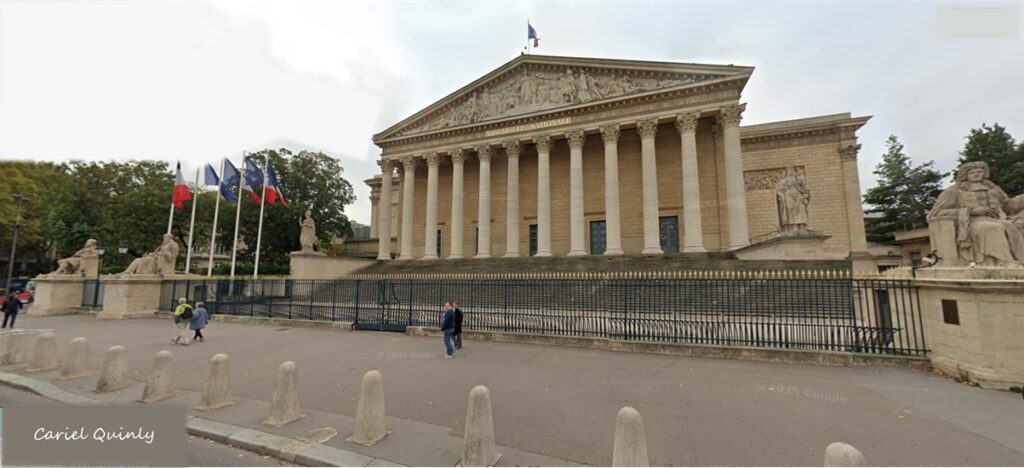
The Palais Bourbon is much more than a simple architectural building in Paris. Located across the bridge from our hotel, this iconic monument serves as the seat of the French National Assembly, one of the two chambers of Parliament. It’s historical and political importance that makes it fascinating. It is not only a symbol of the French Republic but also a silent witness to the decisions that shape the nation. Originally built as a private residence, the palace is now the beating heart of French democracy. Its strategic position along the Seine, facing the Place de la Concorde, makes it a central element of France’s political and cultural landscape.
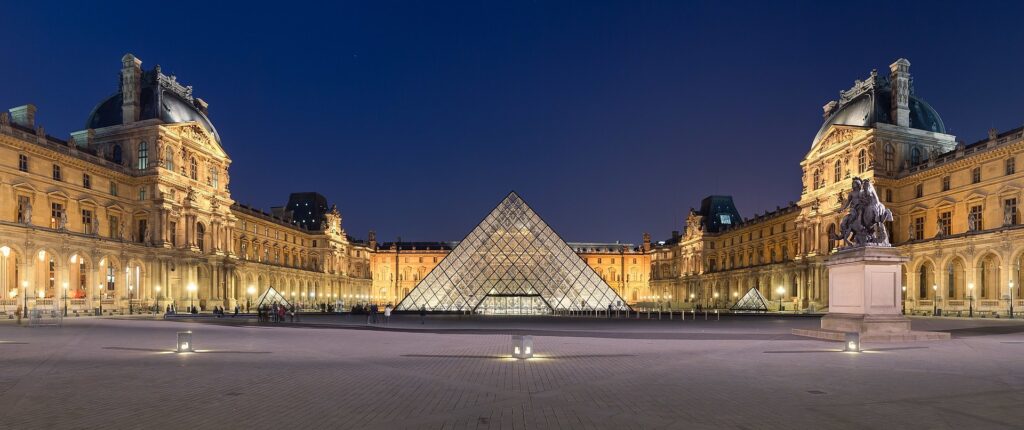
The famous Louvre is within walking distance. You might get lucky and walk right in.
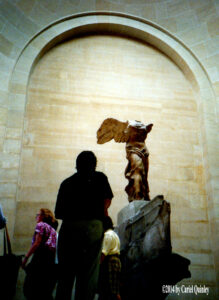
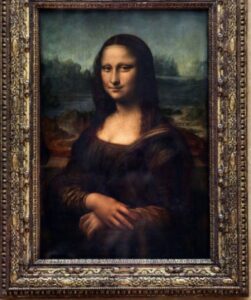
We’ll enjoy free time until evening when we’ll meet our group and tour leader who’s arranged our divine tour and this evening’s Celebration Dinner, when we’ll toast to the successful completion of our Divine Paris portion of the Tour.
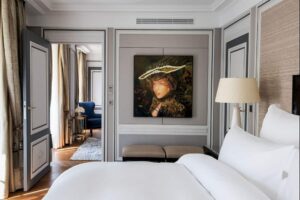
We’ll say goodbye to Paris and welcome in more amazing divine experiences ahead as we embark on our flight to Vienna, Austria in the morning.
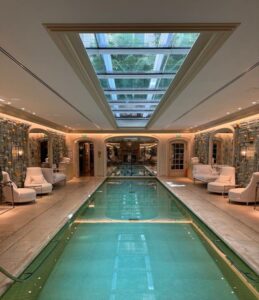
Overnight Paris – Hotel des Crillon -A Rosewood Hotel
Day 5: August 5 – Wednesday
Included meals: Breakfast
Flight to Vienna, Austria
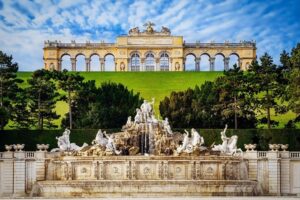
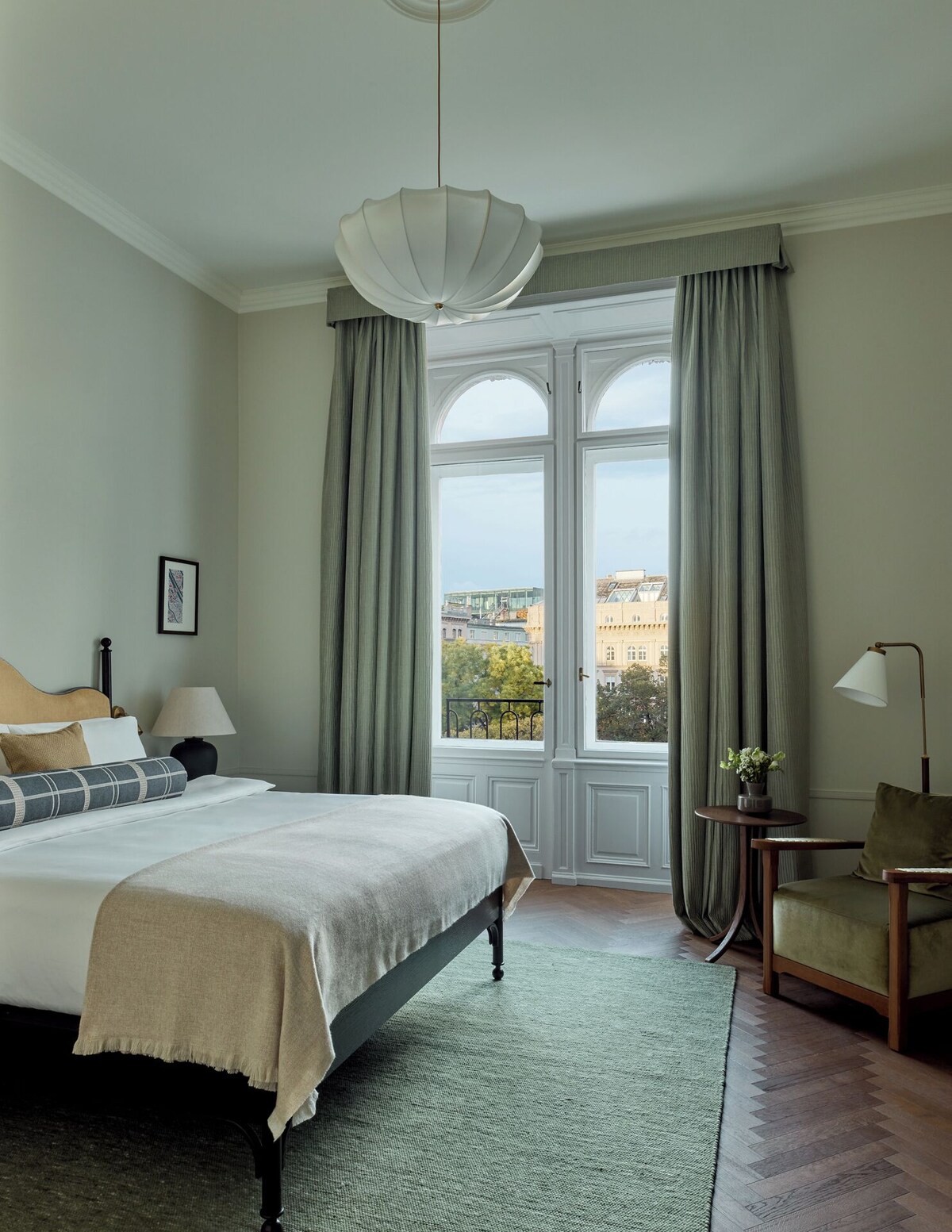
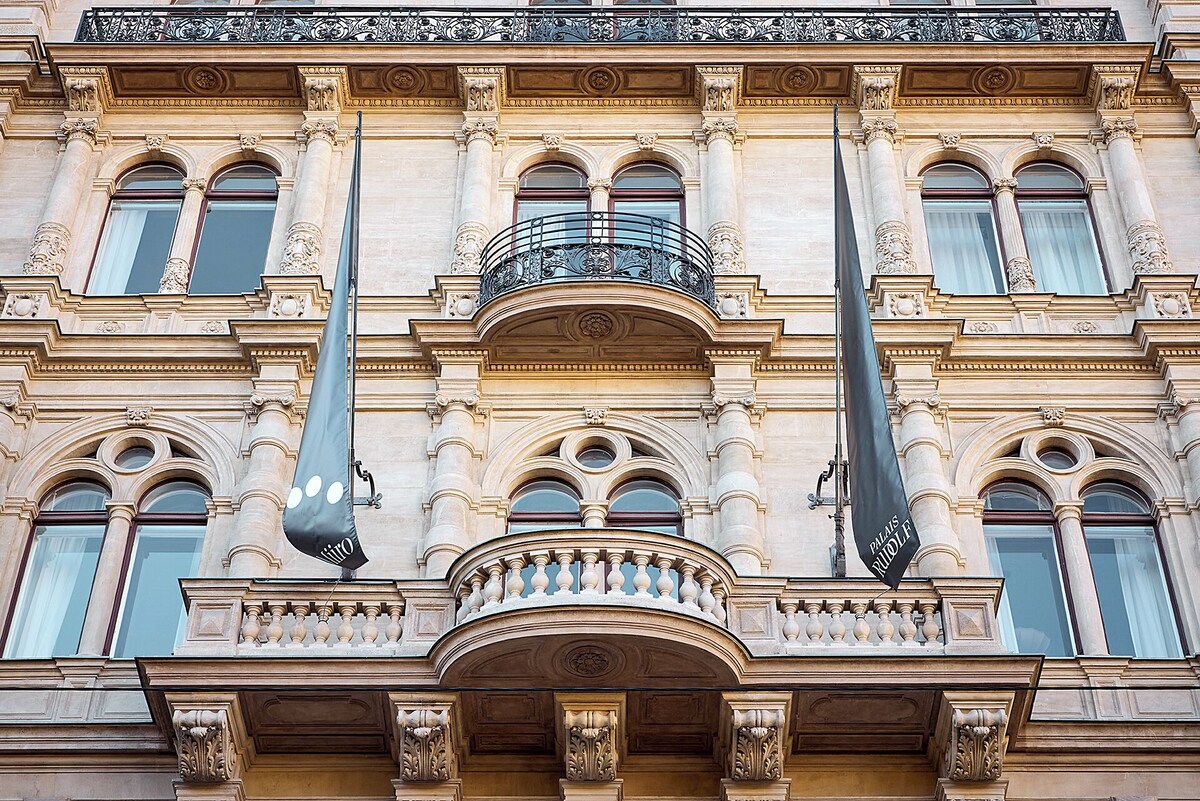
We’ll take a 2 hr flight to Vienna, Austria. We’ll check into our hotel, Vienna’s Palais Rudolf.
We’ll visit Schönbrunn Palace and Gardens, for a 1-hour tour of the Highlights of the 22 palace rooms, with exclusive access to rooms that individual visitors miss out on. After the tour, we’ll have the rest of the day at our leisure.
Admire the opulence of one of the world’s grandest royal residences and learn about the lives of Emperess Marie Theresa who reigned for 40 years and Emperor Franz Joseph, his wife Empress Elisabeth, and their royal courts.
Maria Theresa was known as a powerful ruler especially famous for her strong leadership during the War of the Austrian Succession which she won. She was admired for implementing major reforms
 (education, military, finance, promoting potatoes), modernizing the empire, fostering a strong Catholic identity, and being a prolific mother (including Marie Antoinette). Maria Theresa defended her inheritance, centralized her administration, and transformed diplomacy, leaving a lasting legacy as one of Europe’s most capable 18th-century monarchs. She was followed 32 years later by Franz Joseph I, whose reign lasted nearly 68 years, from December 2, 1848, until his death on November 21, 1916.
Hisearly reign was marked by a struggle to stabilize the empire amidst widespread unrest and demands for reform...His reign was characterized by his conservatism, simplicity in daily life, and adherence to etiquette and traditions.
Overnight: Vienna – Palais Rudolf
This convenient hotel is located in Innere Stadt, a neighborhood in Vienna, Austria. Guests enjoy the buffet breakfast, the on-site bar and restaurant.
Day 6: August 6 – Thursday
Included meals: Breakfast, Celebration Dinner
Sightseeing tour of Vienna

Vienna (Wien) is the stunning capital and largest city of Austria, famous as the “City of Music” for its rich classical heritage (Mozart, Beethoven) and elegant coffee house culture, boasting imperial palaces like Schönbrunn and Hofburg, a UNESCO-listed historic center, and vibrant arts, all on the Danube River, offering high quality of life and rich history.
Vienna influenced world affairs for centuries, during the Age of Empires and Monarchs, and contributed great music, symphonies and orchestras and culture.
Franz Joseph I’s had the walls surrounding the city take down and replaced with a road, called the “Ringstrasse” and beautiful government buildings were built up around it.
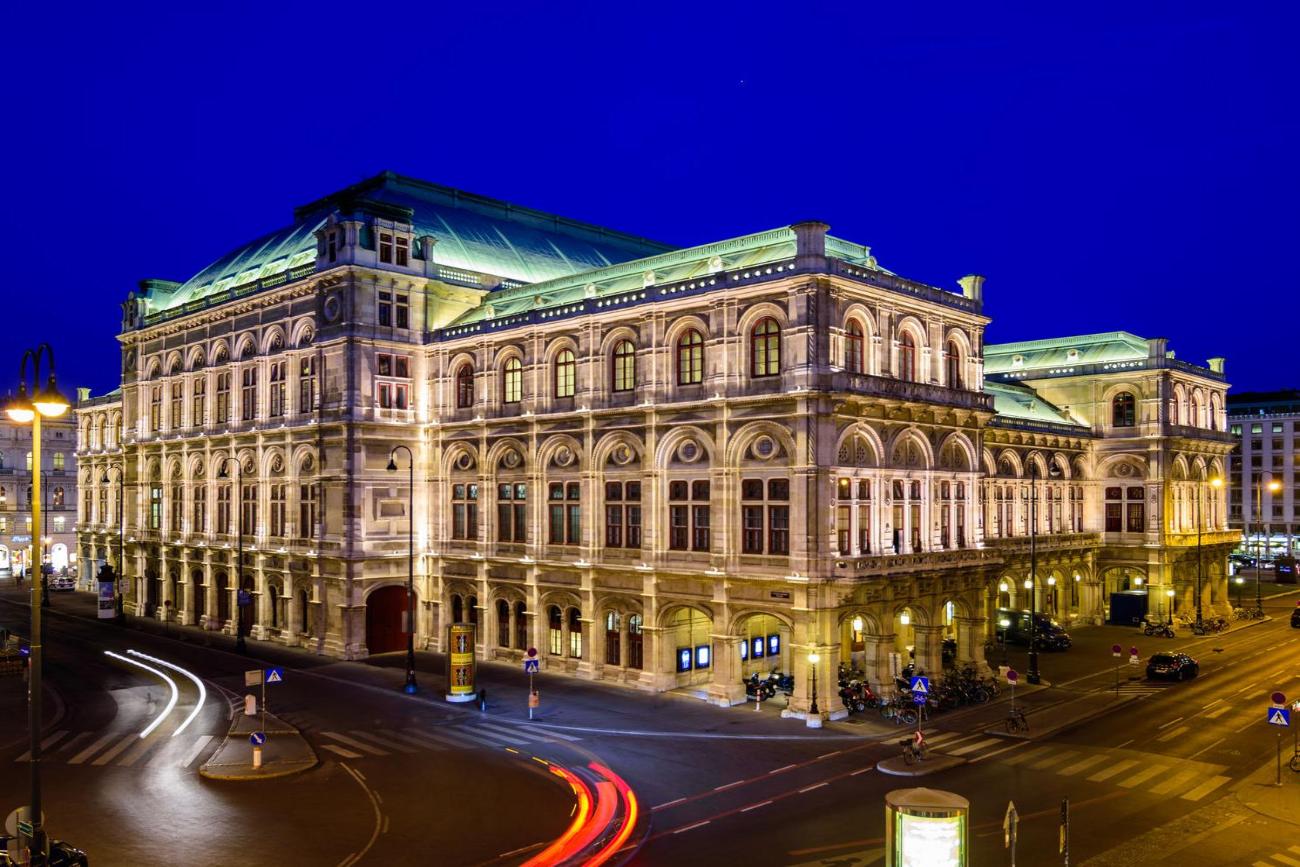
Today, we’ll enjoy some of the best “The City of Dreams” has to offer on our guided sightseeing tour. We’ll travel down the tree-canopied paths of the Ringstrasse—Vienna’s gorgeous Ring Road—observing the Austrian Parliament Building, Vienna State Opera, and Kunsthistorisches Museum (art) and Maria Theresa Platz. The Maria-Theresien-Denkmal (monument) is considered significant for various reasons. Firstly, it pays tribute to Empress Maria Theresa, who was a major figure in the Habsburg dynasty and had a profound influence on Austria’s history. Secondly, its grandeur and intricate design make it an outstanding example of 19th-century monumental sculpture artistry. Lastly, its location between two important museums symbolizes the empress’s patronage towards arts and sciences during her reign.
We will consider the historical style in which these public institutions were built and why certain styles where chosen for certain buildings.
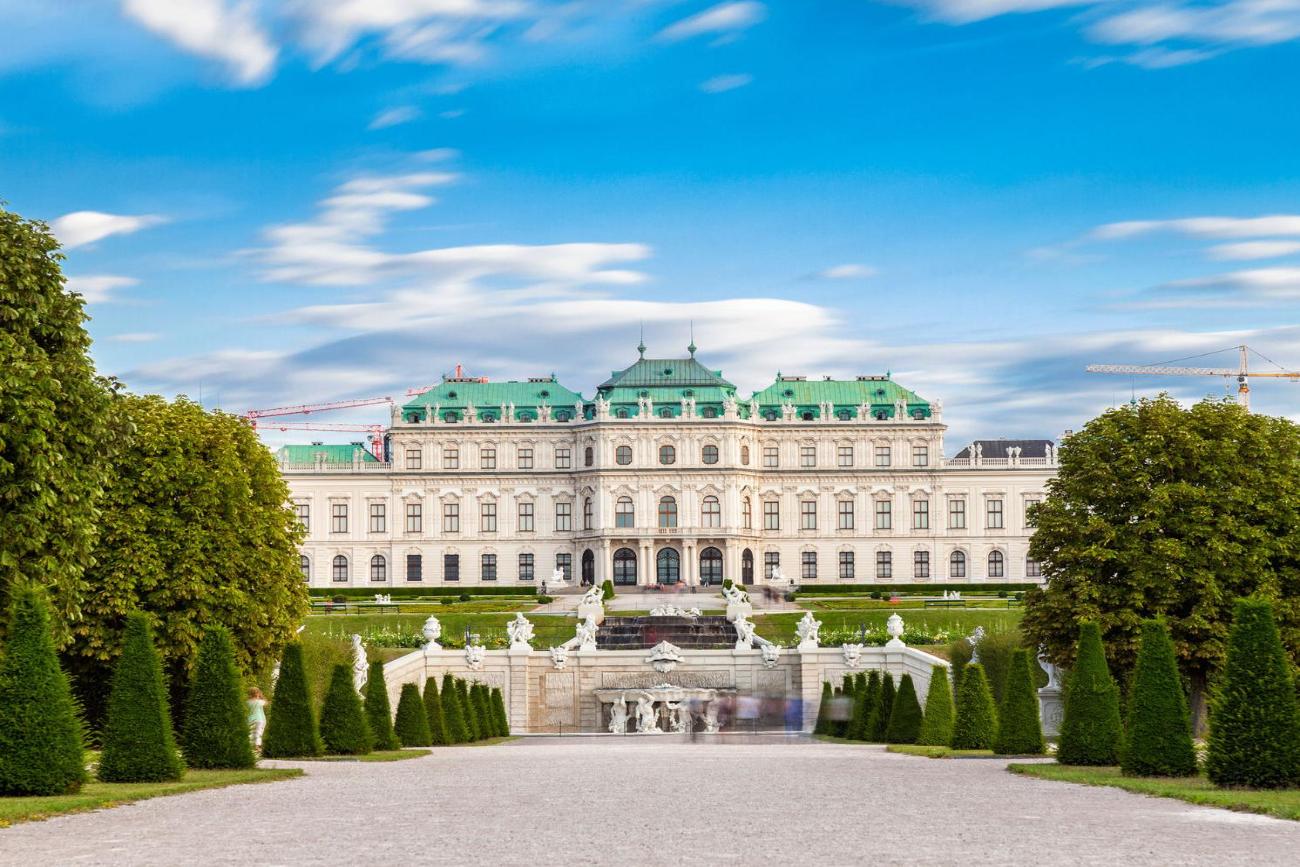
- Vienna (Wien) is the stunning capital and largest city of Austria, famous as the “City of Music” for its rich classical heritage (Mozart, Beethoven) and elegant coffee house culture and vibrant arts and industry on the Danube River, offering a rich history of high-quality living, especially boasting imperial palaces like Belvedere and Hofburg, both of which we will visit today.

Hofburg Palace. The grand Hofburg Palace, once the seat of the Hapsburg dynasty, it now serves as the official residence and office of the president of Austria.
- We’ll visit a famous Augarten Porcelain factory where porcelain items are created and sought after by collectors of fine Austrian porcelain, which you can purchase and ship safely home.
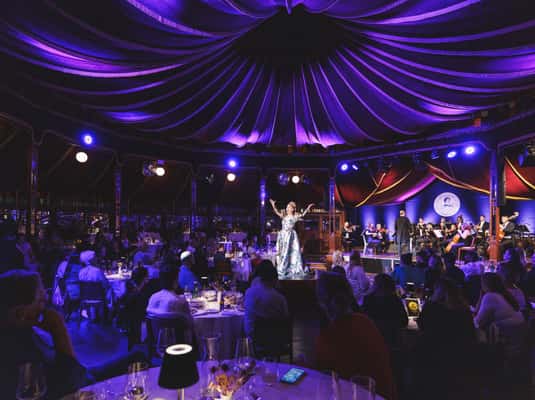 In the evening, we’ll celebrate the half-way point in our Divine journey with celebration dinner and music entertainment at the 3 hr Strauss Dinner Show – Where Music, Elegance, and Culinary Art Meet.
Day 7 – August 7 – Friday
Included meal: Breakfast
Vienna
Today use wisely because it’s your free time to do things at your leisure.
Overnight: Vienna -Palais Rudolf
Day 8 – August 8 – Saturday
 Included meal: Breakfast, Celebration Dinner
Milan
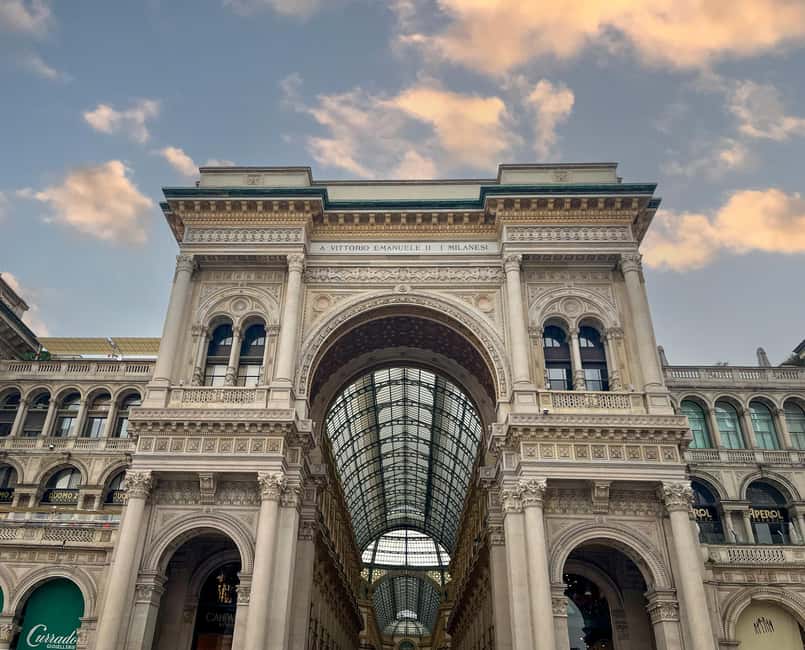
This morning, we’ll fly to Milan and check into our hotel, the famous Park Hyatt Milano, which located at the Galleria Vittorio Emanuele II. We’ll freshen up for our 2 hr tour of Milan that starts here in a half an hour.
Tour of Milan
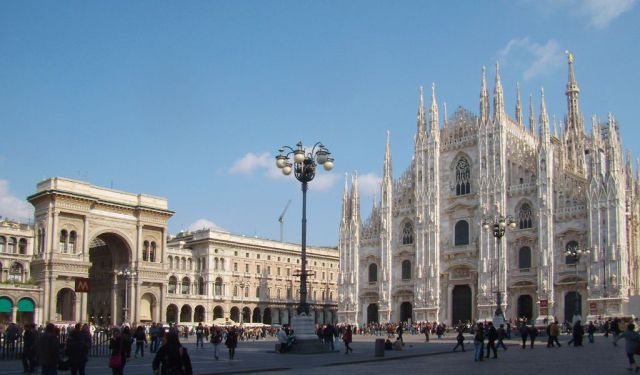
Duomo Square, Milan Cathedral & Royal Palace of Milan
 Teatro alla Scala
Via Dante
Via Dante today is a pedestrian street in central Milan that leads to Filarete tower and the entrance to the Castello Sforzesco, our next stop. It connects to the Piazzale Cordusio with the Largo Cairoli station.
 Porta Sempione District includes the following:
Porta Sempione (“Simplon Gate”) is a city gate of Milan, Italy. The name “Porta Sempione” is used both to refer to the gate proper and to the surrounding district (“quartiere”).
The major avenue is the Corso Sempione. The gate is marked by the Arco della Pace (“Arch of Peace”), dating back to the 19th century, although its origins can be traced back to a gate of the Roman walls of Milan. Several museums (like Ancient Art, Musical Instruments, and the Pietà Rondanini by Michelangelo). surrounded by the beautiful Parco Sempione. A large city park behind the Castello Sforzesco, great for relaxing and strolling.

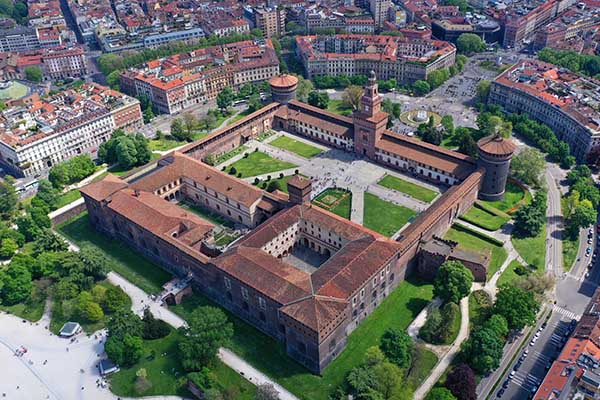
Sforza Castle, Castello Sforzesco:
We’ll see the castle’s beautiful courtyards, with the vast Parco Sempione right behind it.
Santa Maria delle Grazie
We’ll enjoy Santa Maria delle Grazie Convent where we’ll see the Last Supper, Leonardo da Vinci’s iconic mural.
Overnight: Milan – Park Hyatt Milano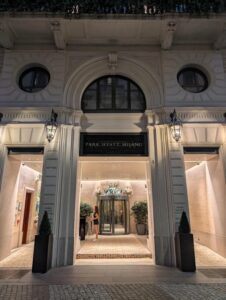
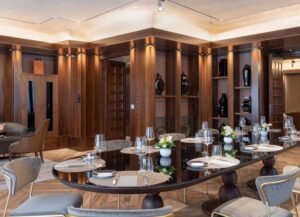
At Park Hyatt Milano, luxury unfolds through intimacy with Milan’s soul. Tucked discreetly beside the grand Piazza del Duomo, our 5-star haven offers a deeply immersive connection to the city’s refined rhythm. Begin your morning with a cappuccino where locals linger in sunlit piazzas, feel the quiet elegance of Via della Spiga as you browse ateliers steeped in Italian craftsmanship, or let the notes of a Verdi aria guide you through a night at Teatro alla Scala —as if Milan whispers its secrets only to those who stay with us.
Day 9 – August 9 – Sunday
 Included meal: Breakfast
Milan
We have the day at our leisure. Enjoy exploring nearby and further along the pedestrian streets. We’re located at the impressive arched opening into the Vittorio Emanuele II gallery – a splendid 19th-century arcade, mother of all shopping malls, with upscale boutiques, stunning mosaic floor, and a wonderful glass roof and cupola.
Our hotel is located in Zone 1 (8 other zones) of Milan which includes Centro Storico, the historical center of the city. Districts and Quarters surround it, including the following:

Via della Spiga Quarter
Via della Spiga –Via della Spiga is one of the Italian city of Milan’s top shopping streets, forming the north-east boundary of the luxurious Quadrilatero della Moda, along with Via Monte Napoleone, Via Manzoni, Via Sant’Andrea and Corso Venezia.
The first Versace boutique opened on Via della Spiga in 1978. a lovely and classy little cobblestone street, with some beautiful ancient buildings; it’s more famous, however, as the center of high-class shopping, where almost every luxury brand can be found. The epicenter of Milanese high fashion, featuring luxury boutiques.
The historic center includes the following:
Viamontenapoleone Quarter

The main drag, Via Monte Napoleone, is lined with designer fashion boutiques, antiques shops and posh cafes in neoclassical mansions. Nearby, the Palazzo Morando museum displays period costumes, while Renaissance-era decorative arts are on show in the Museo Bagatti Valsecchi. As you keep ahead, you can’t miss Via Manzoni – an impressive, refined-air street lined with aristocratic apartment blocks and opulent churches. Among other things, this premier shopping location contains the Armani Megastore as well as the Poldi Pezzoldi museum, home to one of the world’s richest private art collections.
 As you keep ahead, you can’t miss Via Manzoni – an impressive, refined-air street lined with aristocratic apartment blocks and opulent churches. Among other things, this premier shopping location contains the Armani Megastore as well as the Poldi Pezzoldi museum, home to one of the world’s richest private art collections.
Porta Sempione (“Simplon Gate”) is a city gate of Milan, Italy. The name “Porta Sempione” is used both to refer to the gate proper and to the surrounding district (“quartiere”), a part of the Zone 1 division (the historic city centre), including the major avenue of Corso Sempione. The gate is marked by a landmark triumphal arch called Arco della Pace (“Arch of Peace”), dating back to the 19th century, although its origins can be traced back to a gate of the Roman walls of Milan.
Explore the sights closely, and at your own pace.

Brera District
The Brera district, is where the Brera Academy of Fine Arts is located, founded in 1776 by Maria Theresa of Austria. Brera, stems from “Breda” which means “expansive” (like in consciousness). It includes the Brera Academy of Fine Arts and the Brera Art Gallery, which prominently contributed to the development of Brera as an artists’ neighborhood and a place of bohemian atmosphere, sometimes referred to as “the milanese Montmartre”. Other features that contribute to the character of Brera include restaurants, bars, night clubs, antique and art shops, colorful street markets, as well as fortune tellers’ booths.
Empress Maria Theresa of Austria
The Palazzo Brera, the exquisite building which includes the art museum, was built on the site of a fourteenth-century monastery. In 1572, the site was given to the Jesuits, who established a school here, and in the early seventeenth-century, the architect Francesco Maria Ricchini took on the task of giving the palace the Baroque style we see today with two statues of Napoleon as Mars the Peacemaker one inside and one in the courtyard.
When the Jesuit order left Milan in 1773, the building passed into the hands of the government. At this point, Empress Maria Theresa of Austria stepped in, and decided to install several cultural institutions here, including the Brera Academy of Fine Arts, the Lombardy Institute of Arts and Sciences, the Astronomical Observatory, a botanical garden, and the Braidense Library. The library was created in 1770 making the collection she had acquired from Carlo Pertusati available to the public. All are still active.
The task of remodeling in order to expand the Palazzo Brera was entrusted to the neo-classical architect Giuseppe Piermarini, who was also a teacher at the academy.
Maria Theresa’s educational purpose was to instill in the students a love for the classical.
Piazza Mercanti

A short walk from here is Piazza Mercanti, a truly enchanting, tiny medieval square, hidden by the grand palaces, with the lovely Gothic and Renaissance-porticoed with a well in the middle.
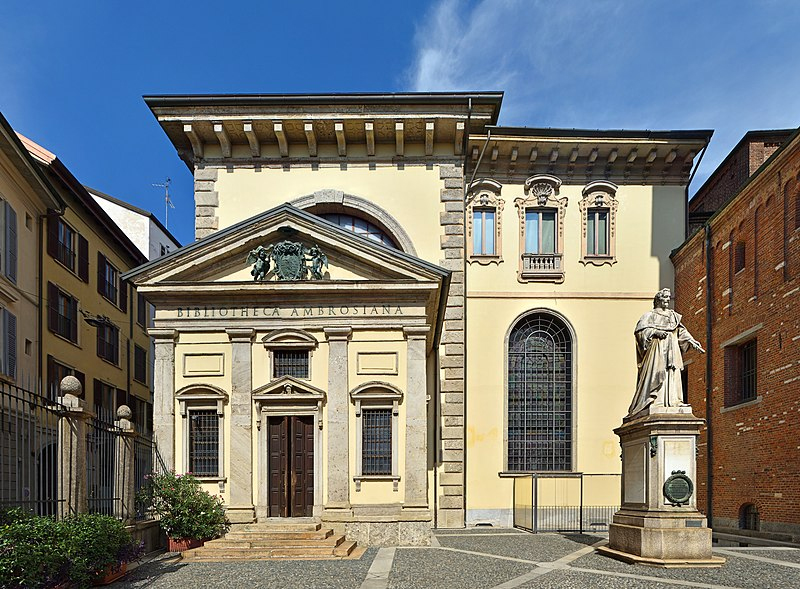
Biblioteca Ambrosiana (Library)
Visit the Biblioteca Ambrosiana, a historical library that also houses the Ambrosian art gallery with treasures such as Leonardo Atlantic Codex. The Ambrosiana Library, or Biblioteca Ambrosiana, is a cornerstone of Milan’s rich intellectual and cultural history.

Founded in 1609 by Cardinal Federico Borromeo, it was named after Saint Ambrose, the city’s patron saint. Inspired by the Renaissance ideals of knowledge and humanism, Cardinal Borromeo envisioned the library as a place where scholars and citizens alike could access the wisdom of the ages. True to this vision, the Ambrosiana was one of the first libraries in the world to open its doors to the public, as was the larger Braidense Library in 1770.
We’ll meet your fellow travelers in the evening and get more acquainted and enjoy each other’s company at a celebration dinner.
Overnight: Milan – Park Hyatt Milano
Day 10 – August 10 – Monday
Included meal: Breakfast, Celebration Luncheon
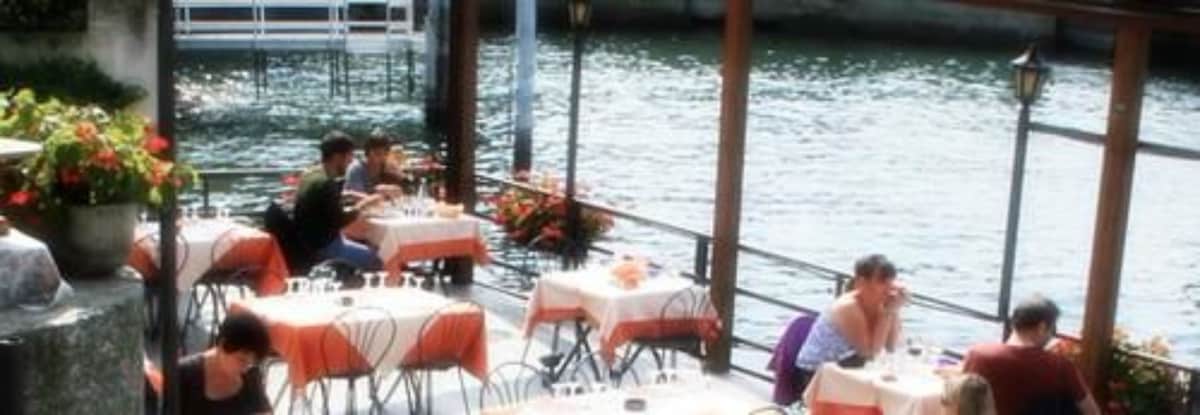
Lake Como, Italy
This morning, we’ll travel to Lake Como by train (3hrs) to our new hotel, Hotel Excelsior Splendide where we’ll check in and get refreshed in time for a group celebration luncheon on the lake.
Lake Como is a lake of glacial origin in Lombardy, Italy. It has an area of 146 km2 (56 sq mi), making it the third-largest lake in Italy. We’ll enjoy the beautiful architecture, breathtaking views, and turquoise waters of the area.
We’ll enjoy the rest of the day at leisure in Bellagio. Check out the area shops and walk along its meticulously landscaped waterfront promenade. For a great view and even better pictures, take the step streets—the village’s pedestrian thoroughfares made of paved steps—to the upper part of the village.
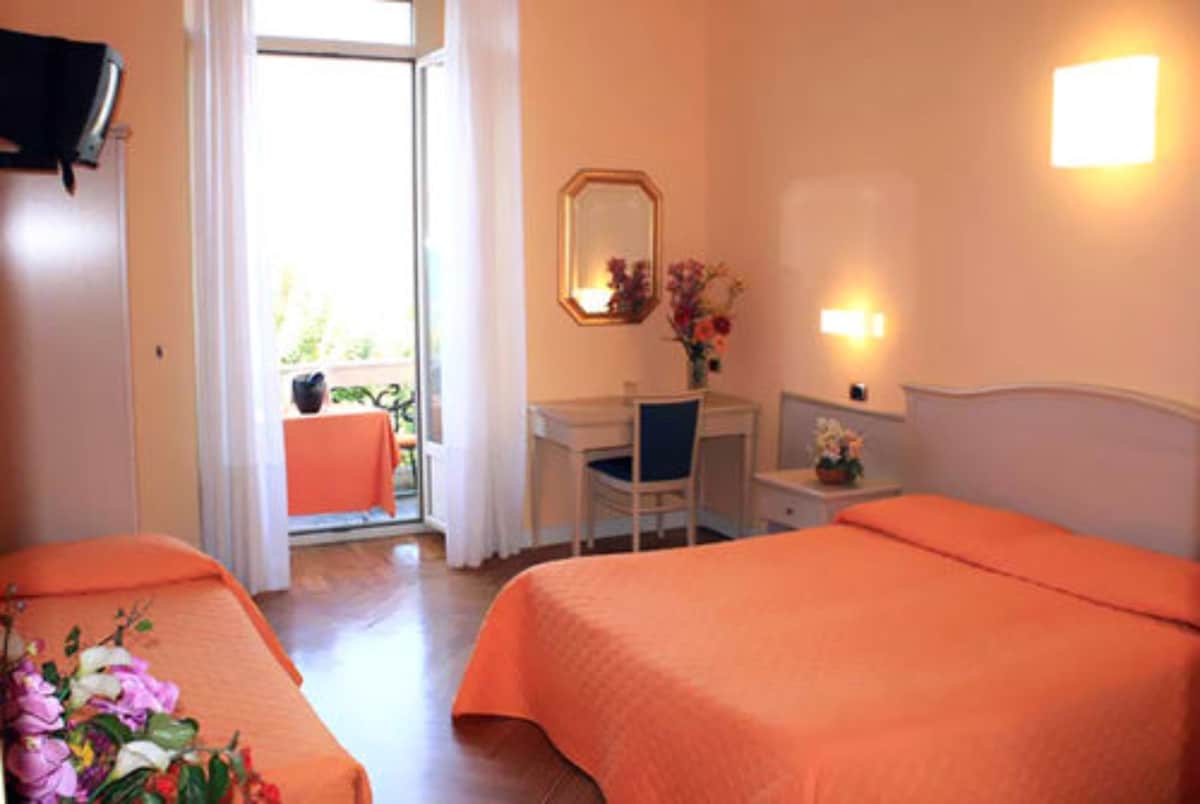
Overnight: Bellagio – Hotel Excelsior Splendide
Day 10 – August 10 – Monday
Included meal: Breakfast
Lake Como, Italy
After breakfast, we’ll take a Lake Como cruise and visit Villa Carlotta.


We’ll visit Palazzo delle Paure Museum, a Neo-medieval eclectic style building, in Lecco’s old center (Piazza XX Settembre) with temporary and permanent art collections.
We’ll return to our hotel in Bellagio and enjoy the rest of the evening at leisure.
Overnight: Bellagio – Hotel Excelsior Splendide
Day 11 – August 11 – Tuesday
Included meal: Breakfast, Celebration Dinner

Italian Riviera – Santa Margherita, Portofino
We’ll travel by train (3.45hrs) to Santa Margherita, Genoa (Ligure), Italy and check into our hotel on the Italian Riviera – Imperial Palace Hotel, refer below. The rest of the day is free at our leisure.
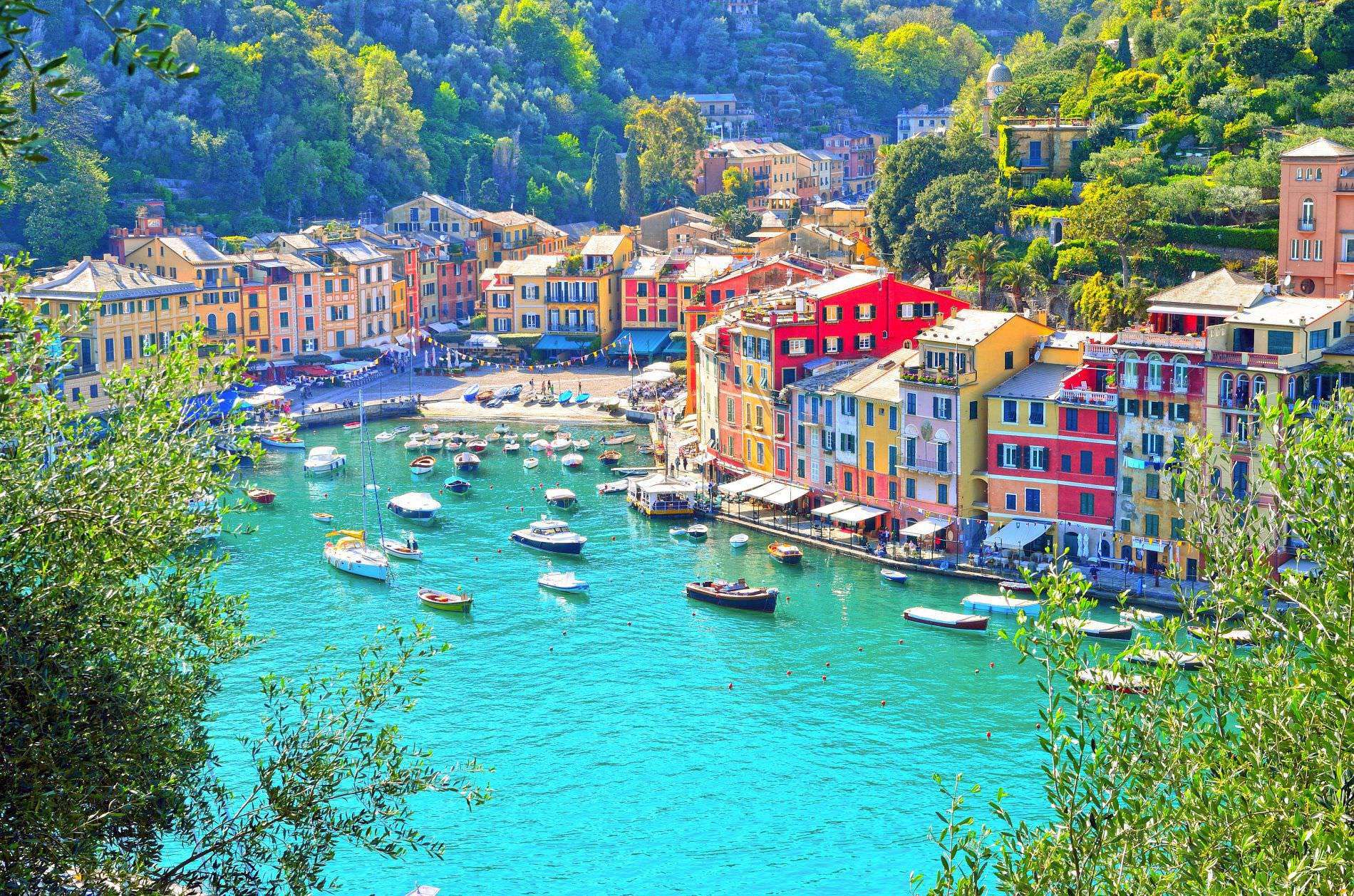 Portofino, Rapollo and Santa Margherita Ligure are neighboring, picturesque towns on the Italian Riviera, connected by a scenic coastal path and ferry.
Portofino is clustered around its small harbor and is known for the colorfully painted buildings that line the shore. Since the late 19th century, Portofino has attracted tourism of the European aristocracy and it is now a resort for the world’s jet set.
Portofino is a tiny, glamorous, and expensive luxury resort known for its stunning harbor and high-end boutiques, while Santa Margherita is a larger, more affordable, and authentic seaside town with a lively promenade, traditional shops, and historic churches. making them popular destinations for day trips or longer stays.
 Imperial Palace Hotel Santa Margherita Italy

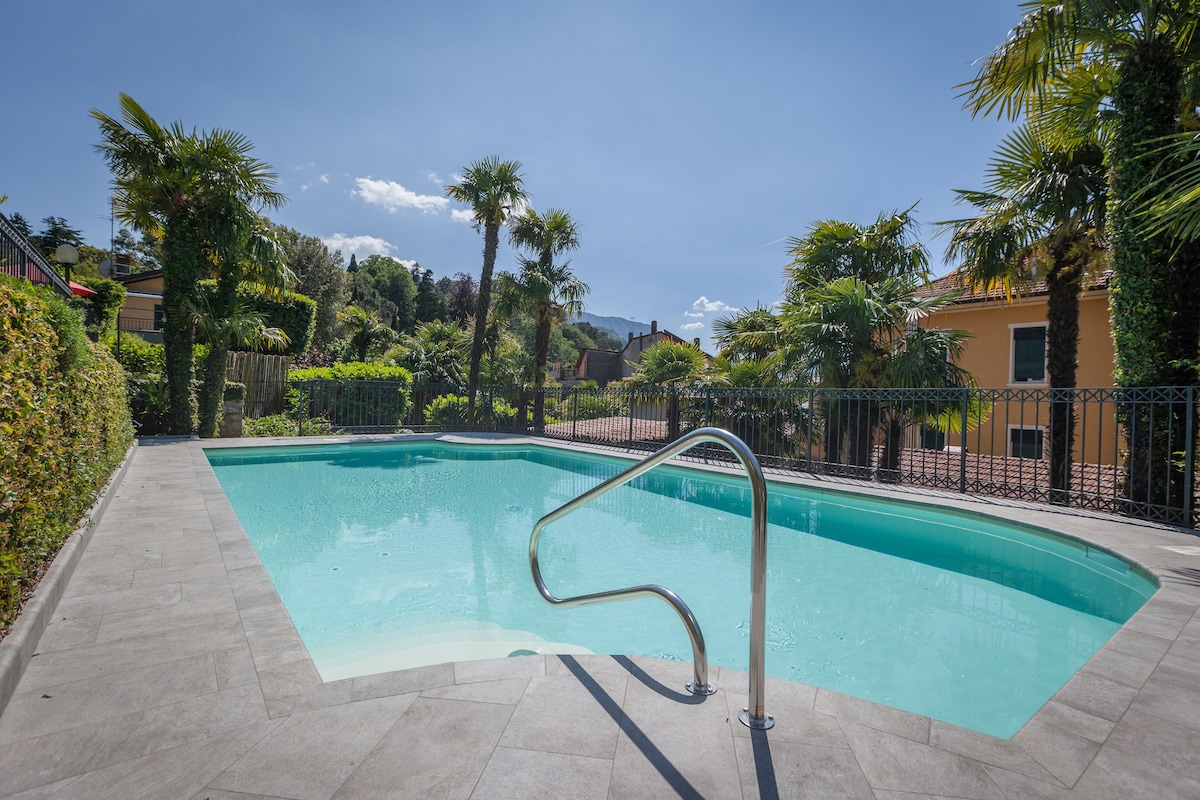
Our elegant hotel is located in Santa Margherita Ligure on the Italian Riviera. Guests enjoy the outdoor pool, bar, and bicycle rentals. Nearby you’ll find beautiful beaches and town restaurants and points of interest.
We’ll gather together in the evening and get more acquainted and enjoy each other’s company at another celebration dinner.
Overnight: Santa Margherita – Imperial Palace Hotel
Day 12: August 12 – Wednesday
Included meal: Breakfast
Sightseeing tour of Cinque Terre
We’ll join our tour guide in discovering Cinque Terre, an idyllic cluster of five villages set on seaside cliffs.
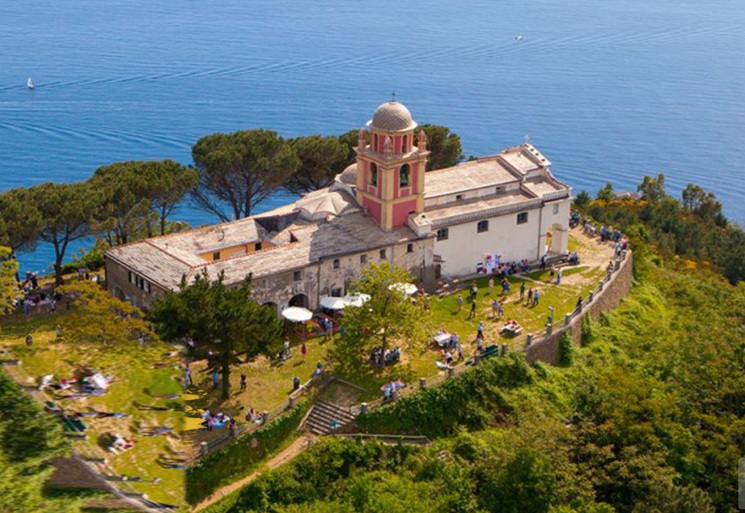
We’ll focus on two significant churches and sanctuaries in the Cinque Terre coast dedicated to the Divine Mother, known as “Nostra Signora” (Our Lady). These sacred spots, often perched on hillsides with stunning views, are central to the local faith and offer historical, architectural, and spiritual experiences.
1.) We’ll visit the Santuario della Madonna di Montenero, meaning the Church of Our Lady of Montenero which is the Marian shrine overlooking Riomaggiore dominating the entire Cinque Terre coast and offering a breathtaking view, which from the island of Tino to the east reaches Punta Mesco to the west. We’ll go from the village of Riomaggiore up some stairs to a road and up more stairs that are old and picturesque, and the views are beautiful along the way. But the top of the hill is best, nice pines and the church provide for a calm place. The view from the top is amazing, you can see far both sides of the coast.
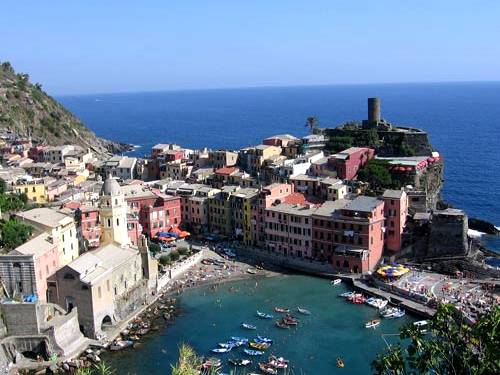

- 2.) *Church of St. Margaret of Antioch (Vernazza): A historic church in the colorful village of Vernazza, also deeply rooted in local faith.
After sightseeing we’ll return to our hotel and enjoy the rest of the day at our leisure.
Please note: The boat ride is weather-dependent or we’ll take the train. The specific villages we visit may vary.
Overnight: Santa Margherita – Imperial Palace Hotel
Day 13: August 13 – Thursday
Included meal: Breakfast
Train ride to Rome

We’ll travel to Rome by train, 3 hrs., basking in views of the Italian coastline. Upon arriving in the Eternal City, we’ll check in to our hotel and freshen up. Our 2-hour tour of Rome begins in a half hour. We’ll see the following sights:
Capitoline Hill & Legendary founders of Rome
- The Capitoline Museums are housed in the Palazzo dei Conservatori and Palazzo Nuovo on the top of Capitoline Hill. These structures designed under Michelangelo’s urban planning of the piazza in 1536.display treasures from ancient Rome and beyond, celebrating the city’s enduring influence on Western civilization.
It’s here at the Tiber River where Rome began, and evidence of human habitation on Capitoline Hill goes back to at least 1500 BCE. Rhea Silvia, daughter of Numitor, king of Alba Longa bore two sons by Mars, Romulus and Remus who her uncle tried to drown on the Tiber River so he could be king. They were rescued by a she-wolf and later founded the city that would be named for Romulus. A statue was erected in 296 BCE, to shows the infants and the wolf at the top of the steps
We’ll head to the intricately carved Trevi Fountain. A Baroque beauty carved of Travertine marble, has served as the dreamy backdrop to La Dolce Vita and Roman Holiday. Legend says that if you throw one coin into the fountain, you’re bound to return to Rome.
We’ll visit the Piazza Navona located in the center of Rome, in the district of Campus Martius, it is one of the most treasured of all of the piazzas in Rome. This beautiful piazza is home of the famous Bernini fountains, an eclectic collection of street artists, shops, open-air-cafés, wine bars, and restaurants.
We’ll see Gian Lorenzo Bernini’s Fontana dei Quattro Fiumi, commissioned by Pope Innocent X in the 17th century. It symbolizes the four major rivers of the four continents where papal authority had spread at the time. Erected in the centre of Piazza Navona, the Fontana dei Quattro Fiumi (Fountain of the Four Rivers) was designed by Gian Lorenzo Bernini in 1651. The fountain’s four statues of river gods and goddesses represent the most important rivers of the continents where Christianity had spread: the Nile in Africa, Danube in Europe, the Ganges in Asia, and Rio de la Plata in the Americas. In the middle, there is a granite obelisk measuring 52 ft (16 m), which had originally been part of the Circus of Maxentius, found in the Appian Way Regional Park. It is fed by water from an ancient roman aqueduct
The two other smaller fountains were designed by Giacomo della Porta, an apprentice of Michelangelo.

Neptune’s Fountain “Fontana del Nettuno”
The Fontana del Nettuno (Fountain of Neptune) was created by Giacomo della Porta in 1574, but was not completed until 1878, when Antonio Della Bitta and Gregorio Zappalà added sculptures of Nereids with cupids and horses, Neptune fighting with an octopus, sea monsters, dolphins and mermaids. The sculptures were added to balance and harmonize with the other two fountains in the Piazza.

Fountain of the Moor “Fontana del Moro”
Sculpted by Giacomo della Porta and later completed by Gian Lorenzo Bernini, the fountain, located on the southern side of the square, was initially called the “Seashell Fountain” because of the figure of a Moor standing in a conch shell. He is wrestling a dolphin and is surrounded by four Tritons.
This square exemplifies Rome.
The contrasts between the profane and the sublime are intriguing. In this square St Agnes was murdered for her spiritual abilities that threatened the male population. We know she stood for her higher consciousness, and as a martyr she was beheaded in a public execution in this square, although the priests said it was because she was a Christian, but she was never asked so we don’t know if that’s true.
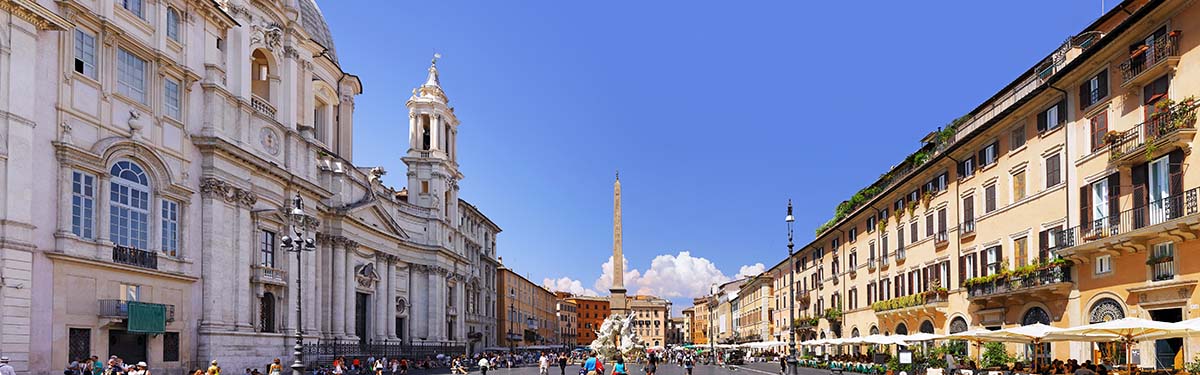
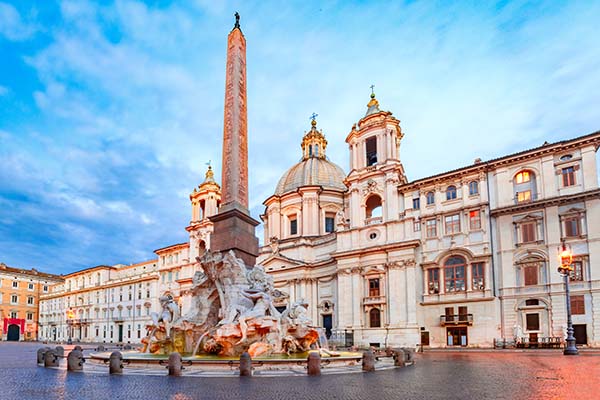
A basilica was built here in her honor. Legend has it, at 12 years old she was beheaded because it was illegal to be a Christian, but the truth was she performed miracles and her spiritual wisdom and sovereignty were more important to her than marrying any suiters and it angered them so much that she was forced to remove one of them. He just disappeared.
Sant ‘Agnese Basilica at Piazza Navona, is a stunning Baroque church known for its dramatic interior, frescoes and sculptures (refer below).


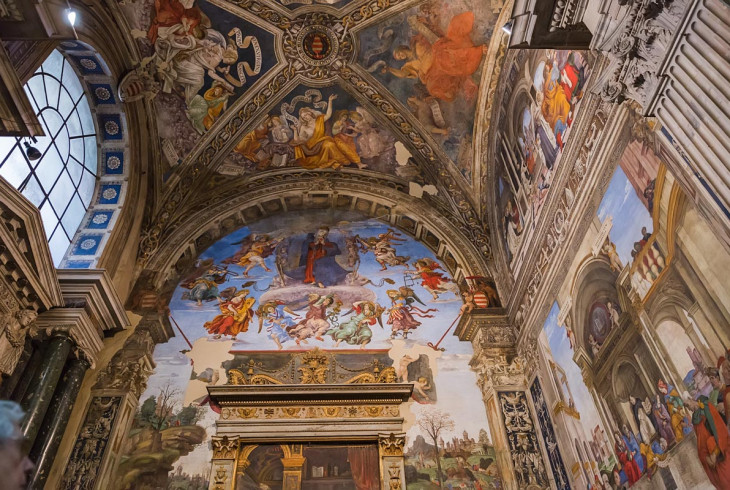

Santa Maria Sopra Minerva Rome
“Santa Maria Sopra Minerva” means “Saint Mary above Minerva,” named because the Roman Catholic church was built over the ruins or foundations of an ancient temple dedicated to Minerva, the Roman goddess of wisdom, warfare, and arts. It’s Rome’s only original Gothic church, famous for its stunning blue starry ceiling and where St Catherine of Siena is buried. It’s serving as a major Dominican order church.
The Gothic nave, adorned with intricate details, leads the eye upward to a celestial blue ceiling adorned with stars, creating a heavenly atmosphere. Elegant chapels, each a treasure trove of religious art, flank the nave, housing masterpieces by renowned artists like Michelangelo and Bernini. 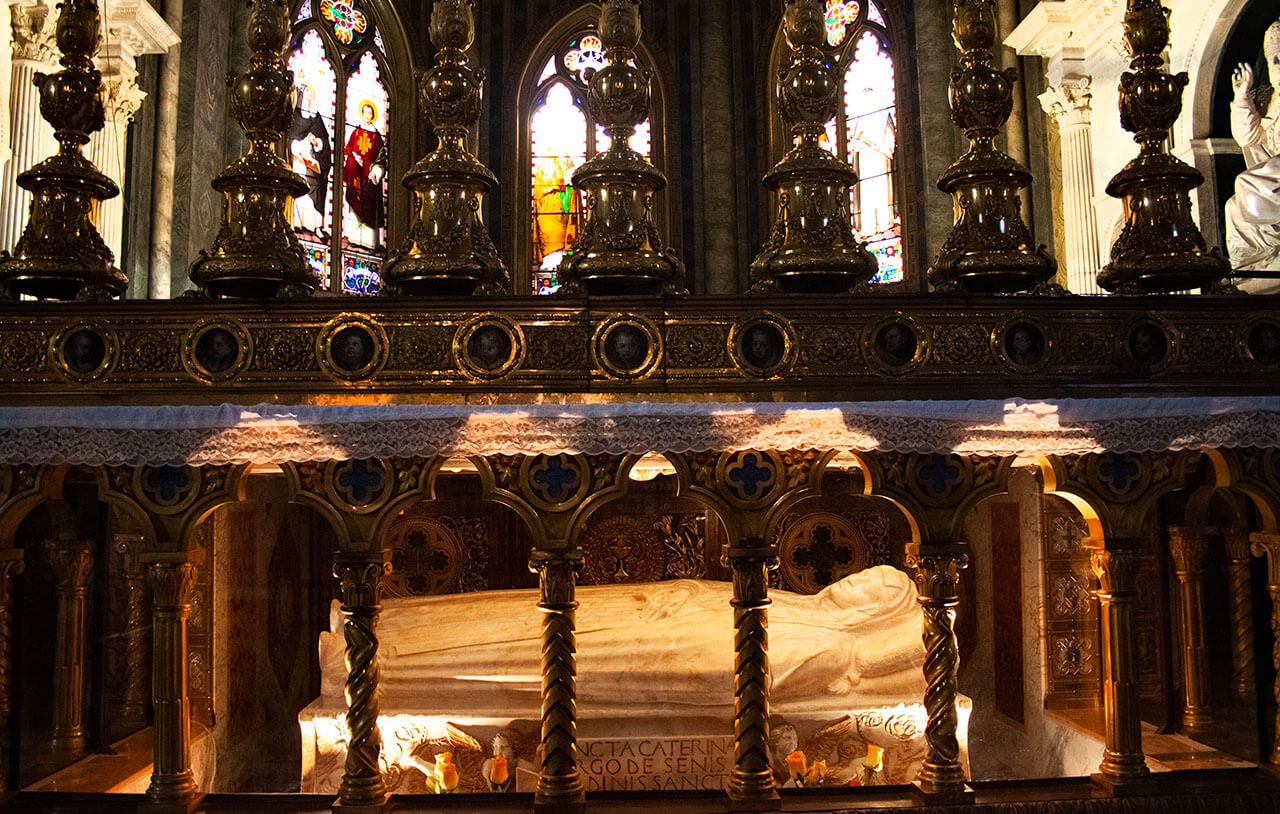
The interior of the church of Santa Maria Sopra Minerva is a captivating blend of architectural magnificence and artistic splendor. The contrast between the opulence within and the unassuming exterior adds to the awe-inspiring experience of this remarkable sanctuary.
The high altar, a focal point of reverence, draws attention with its grandeur. As you explore, the harmonious fusion of sacred ambiance and artistic brilliance makes every corner of Santa Maria Sopra Minerva a testament to the rich cultural and spiritual heritage it encapsulates.
The church houses the tomb of Saint Catherine of Siena, (1347–1380) who was an influential Italian mystic, political activist, and author who was declared a Doctor of the Church. Despite having no formal education, Catherine’s reputation for holiness and wisdom attracted a large following and the attention of Church leaders. Saint Catherine is a co-patroness of Rome, Italy, and Europe, St. Catherine remains an inspirational figure for the ages.
She fearlessly involved herself in the complex politics of her day, advocating for Church reform and peace among Italian city-states. She is best known for her efforts to return the Papacy from Avignon, France, to Rome and for her extensive theological writings. He Returned.
The reliquary of Saint Catherine can be viewed beneath the High Altar. Her tomb includes most of the body as her mummified head is in a reliquary in the church of Saint Dominic in Siena.
The marble tomb, adorned with an intricate depiction of the saint, her head resting on a cushion, is introduced by cherubic angels holding an inscription. Crafted in the fifteenth century and meticulously restored between 1999 and 2000, the marble tomb is a sanctified repository preserving the earthly remains of the saint, whose devotion to God and humanity left an indelible mark on the annals of Christian history.
The interior of the church of Santa Maria Sopra Minerva is a captivating blend of architectural magnificence and artistic splendor. The contrast between the opulence within and the unassuming exterior adds to the awe-inspiring experience of this remarkable sanctuary.
 The Gothic nave, adorned with intricate details, leads the eye
 upward to a celestial blue ceiling adorned with stars, creating a heavenly atmosphere. Elegant chapels, each a treasure trove of religious art, flank the nave, housing masterpieces by renowned artists like Michelangelo and Bernini.
The high altar, a focal point of reverence, draws attention with its grandeur. As you explore, the harmonious fusion of sacred ambiance and artistic brilliance makes every corner of Santa Maria Sopra Minerva a testament to the rich cultural and spiritual heritage it encapsulates.
Santa Maria Sopra Minerva stands as a hidden gem nestled behind the Pantheon, offering a profound journey through art and spirituality.
Next, we’ll step inside the Pantheon, home to the world’s largest unenforced concrete dome. There, you’ll learn about the engineering skills of the ancient Romans and how they created this well-preserved temple.
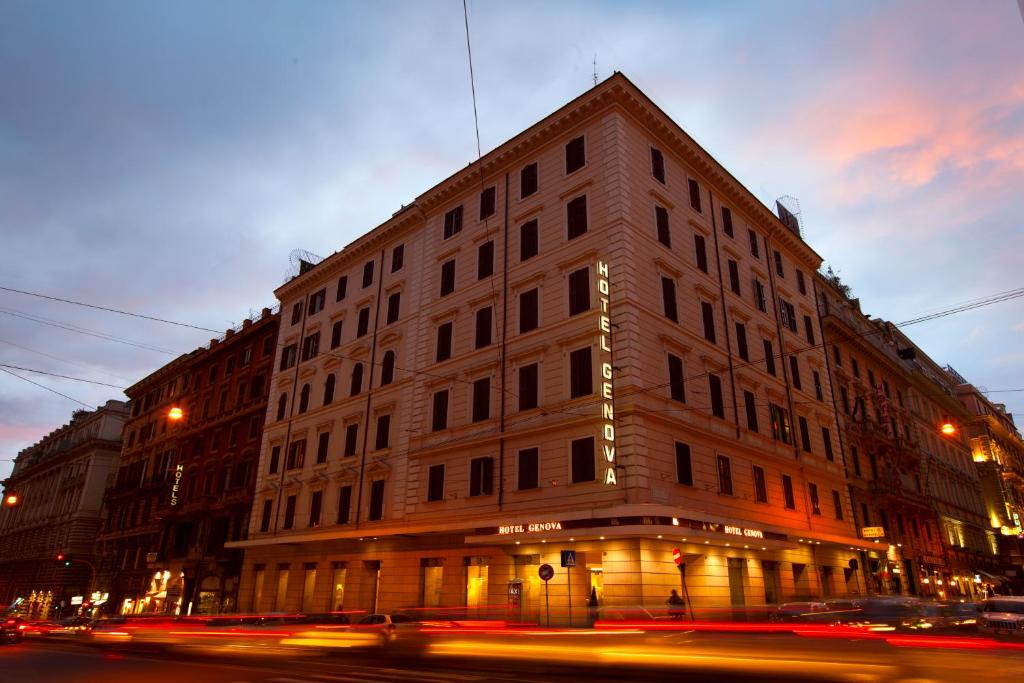
 Rome – Genova Hotel
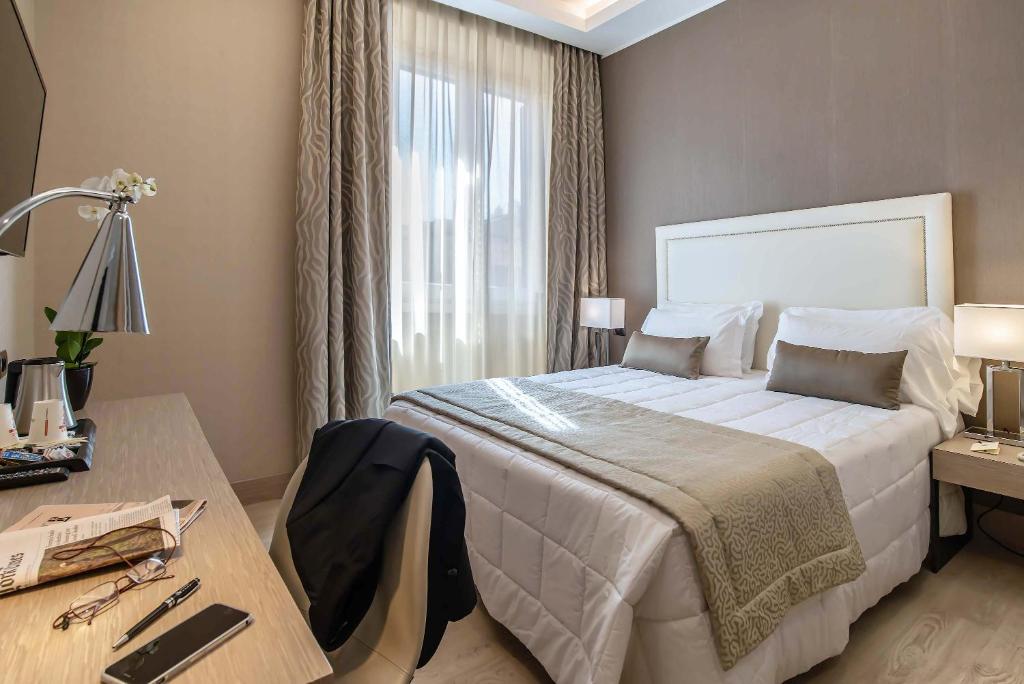
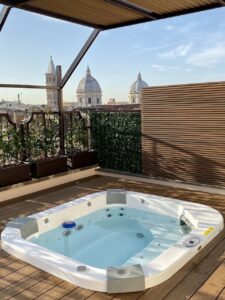
This contemporary hotel is located in the Esquilino neighborhood of Rome. Guests enjoy the rooftop terrace, spacious rooms, and bar. Nearby you’ll find Colosseum, the Basilica of Saint Praxedes, and several dining options.
Overnight: Rome – Genova Hotel
Day 14: August 14 – Friday
Included meals: Breakfast, Celebration Dinner with Entertainment

Vatican Tour
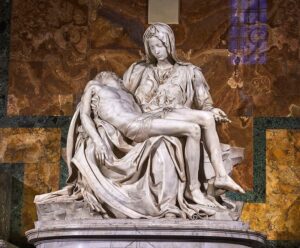
We’ll take a guided tour inside Vatican City—a UNESCO World Heritage Site and one of the most sacred places in Christendom. On our visit to the Vatican, we’ll step inside the Vatican Museum and the Sistine Chapel, whose frescoed ceiling is arguably Michelangelo’s greatest masterpiece. We’ll pay a visit to the enormous St. Peter’s Basilica, the epicenter of the Roman Catholic faith. The artists who have contributed to its glory are some of the best Italy has ever known—Bramante, Peruzzi, Raphael, and Michelangelo. Masterpieces await at every turn, from Bernini’s magnificent bronze canopy to Michelangelo’s Madonna della Pieta.
Via della Conciliazione – Road to Reconciliation

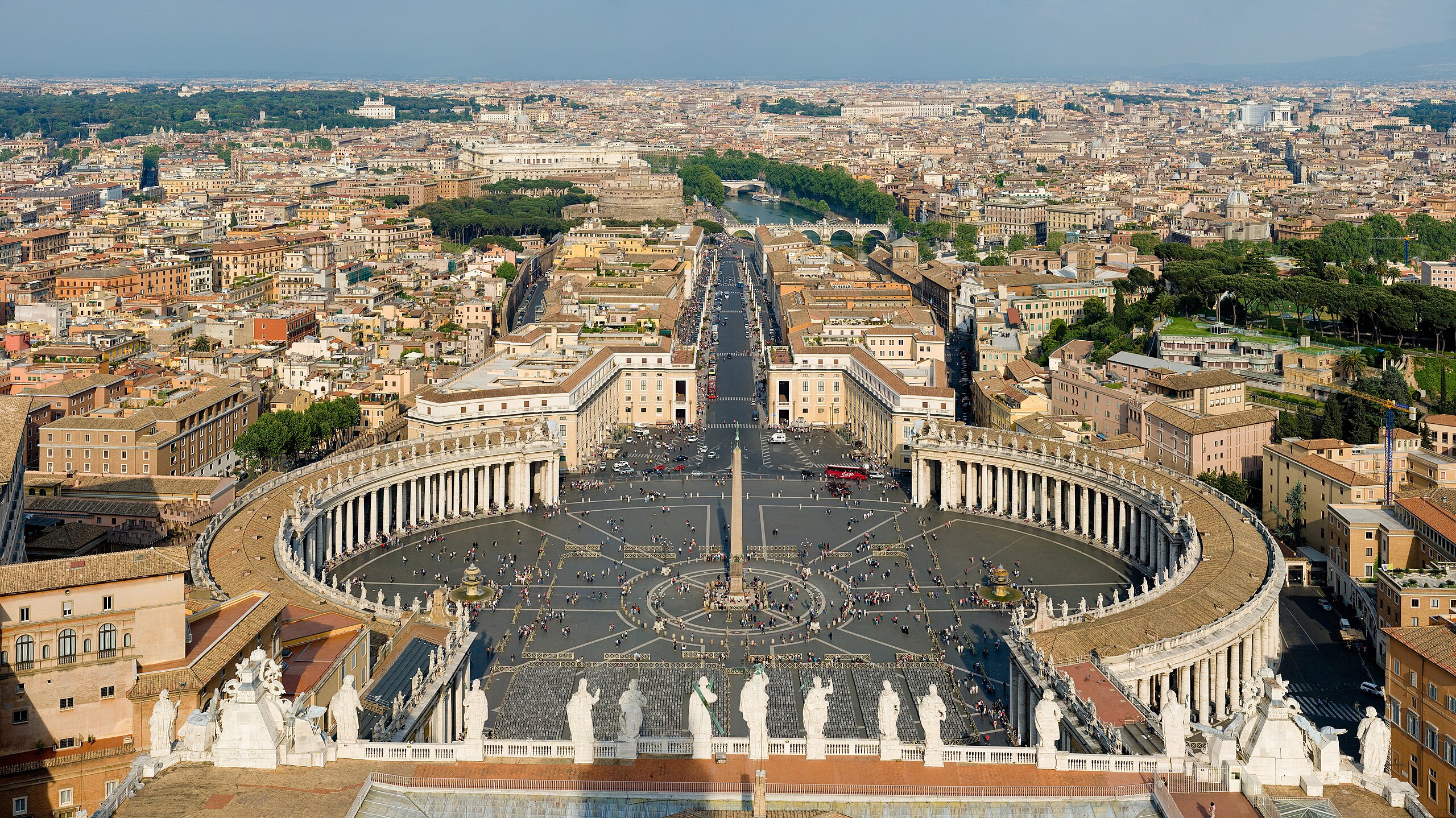
In 1626, when St. Peters Basilica was completed, there were no structures in front of it, it was clear to the Tiber River according to the divine plan. The basilica was built in honor of the first Bishop of Rome who was to protect the “divine feminine waterway” according to the divine plan, with the flow of energy from the basilica to the waterway. It took the appearances of the Divine Mother to diplomatically remind the men of the “divine cloth” to unblock the divine pathway to the Tiber River so She could perform miracles with the flow of energy between the basilica and the river. They tried numerous fixes, such as the bridge connecting the Vatican to the river. Finally, they realized they needed to remove numerous structures that were blocking the energy flow as you can see in the before and after pictures, of the Via della Conciliazione.
The Via della Conciliazione project opened up the flow of energy between the basilica and the river. It took 14 years, from 1936 to 1950, to build this road. The Via della Conciliazione is more than just a street; it is a symbol of diplomacy between the Vatican and the Divine Mother and freeing up the divine plan and the energy that had been block for more than 500 years. The roads creation marked the beginning of a whole new book in history. As you explore this iconic avenue, you are walking through a living testament to the power of diplomacy and freeing up of the divine energy impact on the river and landscape.
Please note: Backpacks aren’t allowed in the Vatican, and shorts and sleeveless shirts are strictly prohibited. Due to closures of certain entrances and pathways, wait times may extend to several hours during busy travel months.
We’ll enjoy the rest of our day at leisure and in the evening join our group for a celebration dinner. As you dine, you’ll be treated to a multi-course, traditional Italian meal with a side of live music entertainment.
Overnight: Rome – Genova Hotel
Day 15: August 15 – Saturday
Rome’s Airport
Here’s an easy question for you to answered in 3 months, when you’ll be notified. What will your role be in Southern California, USA where Cariel’s Planetary Seat and community appear for her most benefit as the Most-High Divine Mother, the Most-High Sacred Magdeleine and Planetary President, etc., etc., etc. and for protecting Her “Bill of Rights” to exist on the planet in harmony with the rest of the world?
Fights Leaving for your Destinations (Home?)
Included meal: Breakfast (excluding early morning departures)
Transfer to the airport for your flight